Top 5 Benefits of Remodeling Your Bathroom: Why It’s a Smart Investment for Homeowners
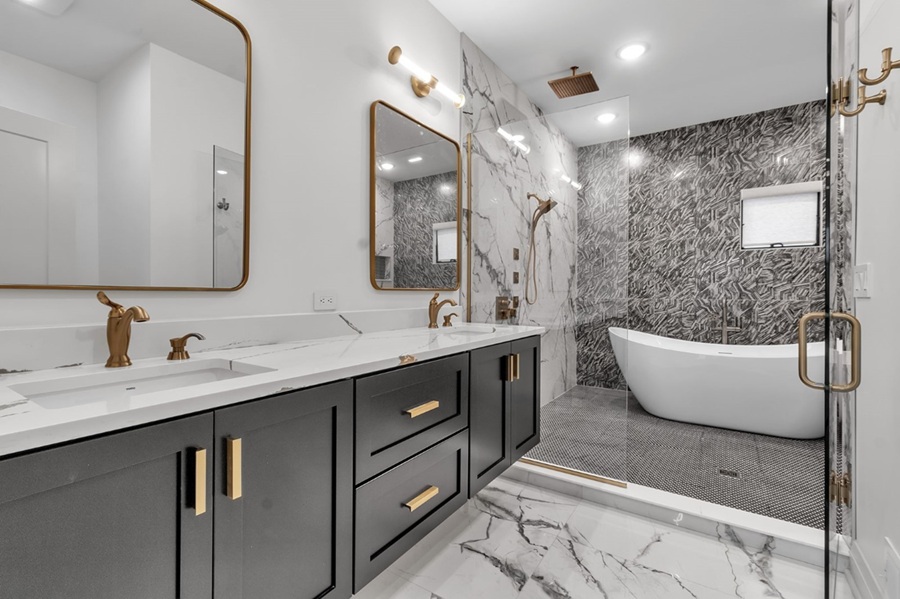
Whether you’re planning a significant home improvement or considering small changes to modernize your living space, the bathroom is often a top contender for renovation — and with good reason. Bathrooms are essential, high-traffic spaces that influence daily comfort and long-term property value. While a remodel may require upfront investment, the return — both financial and lifestyle-related — is often well worth it.
Here’s why remodeling your bathroom isn’t just about aesthetics — it’s a strategic move that pays off in multiple ways.
1. Increase Your Home’s Market Value
A bathroom remodel is one of the most impactful upgrades when it comes to boosting your home’s value. According to the National Association of Realtors, bathroom remodels yield some of the highest returns on investment compared to other home improvements. A midrange bathroom update can recoup up to 60–70% of the cost upon resale — and in competitive housing markets, an updated bathroom can make your listing stand out to potential buyers.
Even small changes like modern tiles, energy-efficient fixtures, and a fresh coat of paint can make your home feel more appealing and move-in ready.
Simple Upgrades That Add Big Value
- Replace outdated faucets and hardware with sleek, modern finishes.
- Re-grout the tile or replace the flooring to improve the appearance instantly.
- Install a new mirror and vanity combo to bring the space up-to-date.
2. Improve Energy and Water Efficiency
Older bathrooms often contain inefficient fixtures that waste both energy and water — driving up your utility bills over time. A remodel allows you to install low-flow toilets, water-saving showerheads, and energy-efficient lighting that reduce consumption without sacrificing performance.
Not only do these upgrades support sustainable living, but they also provide long-term savings on monthly expenses. If you’re remodeling on a budget, start small by replacing faucets and bulbs, then work your way up to appliances and insulation improvements.
Eco-Friendly Remodel Tips
- Choose LED lighting for bright, long-lasting illumination.
- Install a dual-flush toilet for water conservation.
- Use natural materials like bamboo or reclaimed wood for a greener build.
3. Enhance Functionality and Daily Comfort
Does your current bathroom feel cramped or outdated? Poor lighting, limited storage, and awkward layouts can make everyday routines more frustrating than they need to be. A remodel allows you to reconfigure the space for improved usability — from installing a double vanity for shared use to creating smart storage solutions with floating shelves or built-in cabinets.
Even cosmetic updates like fresh tiling, upgraded hardware, and modern lighting can make your bathroom feel more like a mini spa than just another room. And let’s be honest — starting and ending your day in a thoughtfully designed space makes a difference.
Ideas for Small Bathrooms
- Use wall-mounted storage to free up floor space.
- Add corner shelving or a recessed medicine cabinet.
- Replace the shower curtain with a glass door for a more open feel.
4. Address Hidden Problems Before They Worsen
Bathrooms are especially vulnerable to moisture-related issues like mold, mildew, and water leaks. If left unchecked, these problems can cause structural damage and require costly repairs down the line. A bathroom remodel allows you to inspect plumbing, waterproof surfaces, and improve ventilation — preventing long-term issues before they escalate.
Whether you’re dealing with a leaky faucet or outdated wiring, remodeling creates a natural opportunity to resolve hidden hazards that may be lurking behind the walls.
What to Look Out For
- Water stains on ceilings or walls.
- Soft spots in flooring near tubs and toilets.
- Mold behind tiles or under caulking.
5. Customize the Space to Fit Your Lifestyle
Your home should reflect your unique taste and needs — and the bathroom is no exception. Whether you want a minimalist design with clean lines or a more luxurious setup with a soaking tub and heated floors, a remodel gives you the freedom to create a space that truly suits your lifestyle.
This is especially important if you’ve recently purchased a home or are adapting to new needs, such as accessibility features for aging in place or child-friendly designs for a growing family.
Personalization Tips
- Use color schemes that promote relaxation, like soft blues or earthy tones.
- Add tech-friendly features such as smart mirrors or touchless faucets.
- Choose textures and finishes that reflect your personality.
Bonus: Budgeting Tips for Your Remodel
Remodeling doesn’t have to break the bank. The key is to prioritize your goals and focus your budget on areas with the highest impact. Here’s how to stay financially smart:
- Set a clear budget and track every expense along the way.
- Mix high and low finishes — splurge on statement pieces, save on accessories.
- Tackle DIY-friendly projects like painting or installing hardware to cut labor costs.
- Consider phased remodeling, starting with the most outdated or damaged parts of your bathroom.
- Explore efficient alternatives to full demolition — for example, Bath Fitter offers one-day custom tub and shower installations that fit right over your existing unit. It’s a quick, mess-free way to update your space without a complete remodel.
How to Plan a Bathroom Remodel That Delivers
The most successful remodels start with a solid plan. Rushing into a renovation without a clear strategy can lead to overspending, missed opportunities, and design regrets. Here are a few steps to guide your project from start to finish:
Define Your Goals
Are you remodeling to improve aesthetics, fix structural issues, or increase your home’s resale value? Your goals will determine your budget, design direction, and whether to go DIY or hire professionals.
Gather Inspiration
Browse home improvement blogs, Pinterest boards, or interior design magazines to identify styles and layouts you love. Create a mood board to visualize how elements will come together in your space.
Research Costs
Get estimates for both materials and labor. Prices can vary widely depending on where you live and the scale of your remodel. Be sure to include a contingency budget of at least 10–15% for unexpected expenses.
Prioritize High-Impact Areas
If your budget is limited, focus on the upgrades that will make the biggest difference: lighting, tile, fixtures, and paint. These elements can completely transform a bathroom without requiring major construction.
Common Mistakes to Avoid During a Bathroom Remodel
Even the most well-intentioned remodels can go off track. By being aware of common pitfalls, you can save yourself time, money, and frustration. Below are some of the most frequent mistakes homeowners make during a bathroom renovation — and how to avoid them.
Overlooking Ventilation
Bathrooms are naturally humid environments, and poor ventilation can lead to mold growth, peeling paint, and structural damage. Always factor in proper exhaust fan installation or consider adding a window if natural ventilation is possible.
Skipping Waterproofing
Cutting corners on waterproofing materials is a mistake that can cost thousands in future repairs. Always use water-resistant backer board behind tile and install proper sealing around tubs, showers, and sinks.
Choosing Trendy Over Timeless
Trendy fixtures and finishes might look appealing today, but could feel outdated in just a few years. Opt for classic styles for foundational elements like tile and cabinetry, and introduce trendier accents through accessories that are easy to swap out later.
Underestimating Storage Needs
A beautiful bathroom won’t feel functional if you’re constantly fighting clutter. Plan for storage from the start — think vanity drawers, medicine cabinets, over-the-toilet shelves, and built-in niches in the shower.
Should You DIY or Hire a Pro?
This is one of the most important decisions you’ll make when remodeling your bathroom. While a DIY approach can save you money, it’s not always the best solution — especially for jobs that involve plumbing, electrical work, or structural changes.
When to Go DIY:
- Painting walls or ceilings
- Installing towel racks or floating shelves
- Swapping out light fixtures (if no wiring work is needed)
- Laying peel-and-stick vinyl flooring
When to Hire a Pro:
- Moving plumbing or installing new pipes
- Upgrading or rewiring electrical components
- Tiling around a shower or tub (to ensure waterproofing)
- Major structural changes to layout or framing
Hiring a licensed contractor can also ensure the job is done up to code and often comes with warranties that DIY work doesn’t provide. Always get quotes from multiple pros and check reviews or references before signing a contract!