Comprehensive Guide To Effective CCTV Installation
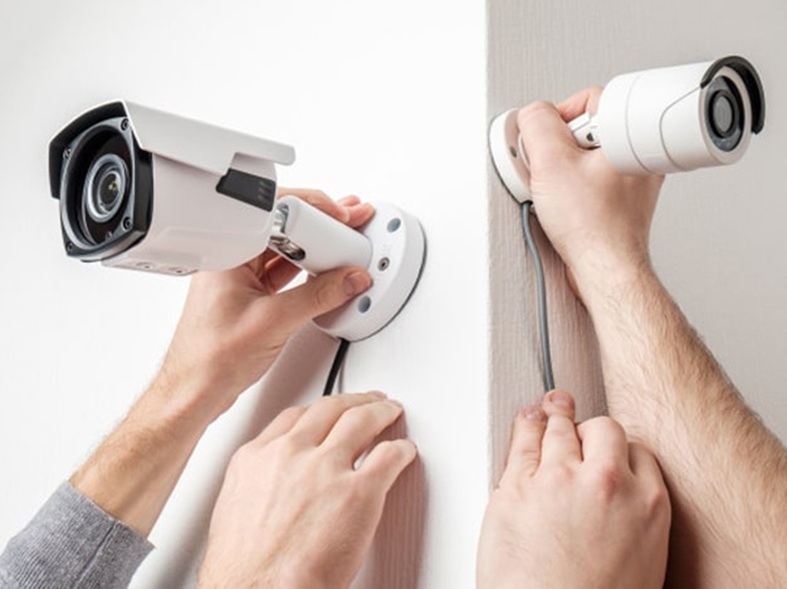
Have you ever wondered whether your property is as secure as it could be? Are you thinking about installing CCTV but feel overwhelmed by the options available? Perhaps you’re curious about what CCTV installation standards apply in Australia and how to make sure you’re doing everything by the book?
You’re not alone. More Australians than ever are turning to CCTV systems to protect their homes and businesses. With rising concerns about property crime and the desire for peace of mind, security cameras have become an essential part of modern property protection. Whether you’re safeguarding a family home in suburban Melbourne or a commercial premises in Sydney, understanding how to install CCTV effectively can make all the difference.
In this guide, we’ll walk you through everything you need to know about CCTV installation. From understanding Australian standards and planning your system to choosing between DIY and professional installation, we’ve got you covered. We’ll also explore the legal requirements you need to be aware of, common mistakes to avoid, and how to keep your system running smoothly for years to come. Let’s get stuck into it.
Understanding CCTV Installation Standards
When it comes to CCTV installation standards, Australia has clear guidelines that ensure security systems are both effective and compliant. The key standard you need to know about is AS/NZS 62676, which covers video surveillance systems for security purposes. These standard outlines everything from image quality requirements to system design and installation practices.
Why does compliance with these standards matter? Put simply, a system that meets Australian standards will perform reliably when you need it most. Non-compliant installations can result in poor image quality, system failures, and even legal complications if footage is needed as evidence. Insurance companies may also question claims if your CCTV system doesn’t meet recognised standards.
Following CCTV installation standards isn’t just about ticking boxes—it’s about making sure your investment actually protects your property. A properly installed system provides clear footage, covers all critical areas, and operates consistently in Australian conditions. Whether you’re installing cameras yourself or hiring a professional, understanding these standards helps you make informed decisions.
Planning Your CCTV Installation
Before you purchase a single camera, take time to assess your property’s security needs. Walk around your premises and identify vulnerable areas such as entry points, driveways, car parks, and any blind spots where intruders could approach undetected. Consider what you’re trying to achieve—are you deterring potential criminals, gathering evidence, or monitoring daily activities?
Types Of CCTV Systems And Cameras
Choosing the right camera type can feel confusing, but it doesn’t have to be. The main decision you’ll face is between analogue and IP cameras. Analogue systems are generally more affordable and easier to install, making them popular for residential use. IP cameras offer higher resolution and more advanced features like remote viewing and analytics, though they typically cost more.
Wired vs Wireless CCTV
Another key choice is between wired and wireless systems. Wired CCTV is more reliable and less susceptible to interference, but installation requires running cables throughout your property. Wireless systems offer flexibility and easier installation, though they depend on strong WiFi signals and regular battery maintenance in some cases.
You’ll also encounter different camera styles. Dome cameras sit flush against ceilings and are less obtrusive, making them ideal for indoor use. Bullet cameras are more visible, which can act as a deterrent, and they’re often used outdoors. PTZ (pan-tilt-zoom) cameras can be remotely controlled to track movement and zoom in on specific areas. For Australian conditions, look for cameras with night vision capabilities and weatherproof ratings to handle everything our climate throws at them.
DIY vs Professional CCTV Installation
Can you install CCTV yourself? Absolutely—many homeowners successfully complete DIY installations, especially with wireless systems that don’t require complex cabling. If you’re handy with tools and comfortable following instructions, a basic system is achievable over a weekend.
However, there are genuine benefits to hiring a licensed installer. Professionals bring expertise in camera positioning, ensuring you don’t end up with frustrating blind spots. They understand cabling requirements, power supply considerations, and how to configure recording systems properly. Plus, a professional installation typically comes with warranties and ongoing support.
What Qualifications Should A CCTV Installer Have?
In Australia, CCTV installers should hold a security licence appropriate to their state or territory. Many also carry electrical licences, particularly for hardwired systems. Always check credentials and ask for references before hiring. Installation costs vary depending on system complexity but expect to pay between $500 and $2,000 for a professional residential installation, with commercial projects costing significantly more.
The CCTV Installation Process
A proper installation begins with a site survey and security assessment. This involves examining your property, identifying risks, and creating a plan for camera placement and cable routing. Don’t skip this step—it’s the foundation of an effective system.
Cable routing and power supply requirements need careful consideration. Wired cameras typically need both data cables and power cables, though Power over Ethernet (PoE) systems simplify this by carrying both through a single cable. Plan cable runs to minimise visible wiring while ensuring connections remain accessible for maintenance.
When mounting cameras, position them at appropriate heights—generally between 2.5 and 4 metres—to capture clear facial images while remaining out of easy reach. Angle cameras to avoid glare from direct sunlight and ensure they’re secured firmly. Finally, configure your recording system, setting up motion detection, recording schedules, and remote access if desired.
Common CCTV Installation Mistakes to Avoid
Poor camera placement is the most frequent mistake homeowners make. Cameras pointed at blank walls, positioned too high, or facing into direct sunlight won’t provide useful footage. Take time to test camera views before finalising positions.
Inadequate lighting is another common oversight. While night vision helps, extremely dark areas can still produce grainy footage. Consider adding motion-activated lighting to improve camera performance after dark. Similarly, neglecting weatherproofing for outdoor cameras leads to premature equipment failure—always check IP ratings and choose cameras designed for outdoor use.
Finally, don’t overlook footage storage security. Your recordings are only valuable if they’re protected. Store recording devices in secure, concealed locations and consider cloud backup options. A criminal who finds and destroys your DVR has effectively eliminated your evidence.
Maintaining Your CCTV System
Regular maintenance keeps your CCTV system performing reliably. Aim to service your system at least every six months, checking camera functionality, cleaning lenses, and verifying that recordings are being stored correctly. Dirty lenses significantly reduce image quality, so a quick wipe-down can make a real difference.
Keep firmware and software updated to protect against security vulnerabilities and access new features. Check cable connections for wear, particularly on outdoor cameras exposed to weather. And periodically review your camera coverage—changes to landscaping, new structures, or altered property use might require repositioning cameras or adding new ones.
Key Takeaways for Effective CCTV Installation
Installing CCTV effectively requires more than simply mounting cameras around your property. It demands thoughtful planning, an understanding of Australian CCTV installation standards, and careful consideration of legal requirements. Whether you choose a DIY approach or engage a licensed professional, the principles remain the same: assess your needs, choose appropriate equipment, and position cameras strategically.