Kerala Off the Grid: 6 Hidden Hill Stations Perfect for Crowd-Averse Travellers
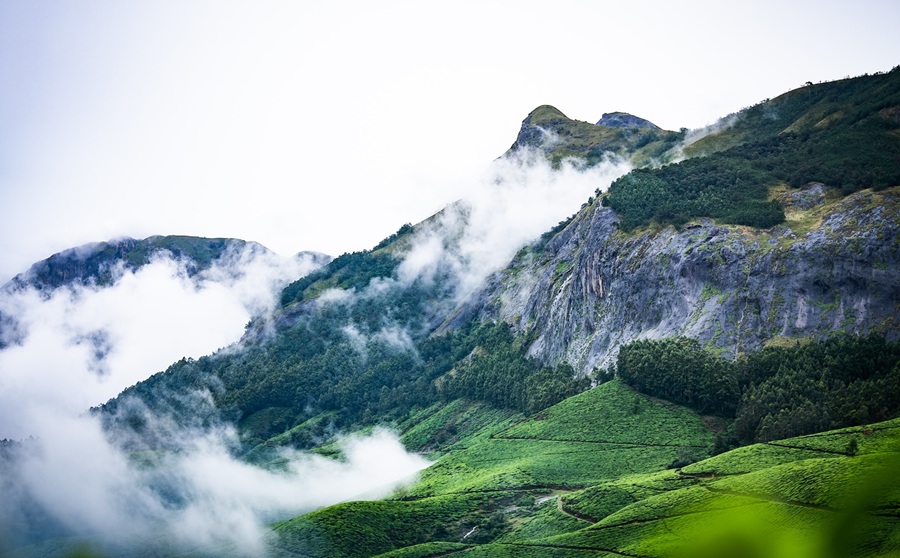
Kerala is often synonymous with serene backwaters, Ayurvedic wellness retreats, and lush tea estates. Yet, beyond the popular locales of Munnar and Wayanad lies a quieter, more untouched side of God’s Own Country—hidden hill stations nestled in the Western Ghats, waiting to be discovered by those who crave solitude over selfies.
As global travel preferences evolve, 2025 is witnessing a noticeable shift. More travellers, particularly from Europe, the US, and urban India, are deliberately choosing destinations that offer authenticity over Instagrammability. These explorers are increasingly drawn to remote, less-touristed hill retreats. For such travellers who seek solitude, local culture, and unspoiled nature, Kerala’s lesser-known hill stations are a revelation.
Here are six hidden hill stations in Kerala ideal for the discerning, crowd-weary globetrotter.
1. Ponmudi – The Golden Peak Less Travelled
Located just 55 km from Thiruvananthapuram, Ponmudi is a hidden gem blanketed with mist, tea plantations, and dense forest trails. Unlike the bustling hills of Munnar, Ponmudi offers tranquility and eco-friendly resorts that cater to minimalists and nature lovers. The drive to Ponmudi itself, with 22 hairpin bends and panoramic valley views, is a prelude to the serenity that awaits.
Why it’s perfect for crowd-haters: Limited commercial infrastructure and controlled tourist flow maintain its peaceful vibe.
2. Silent Valley – A Biodiversity Haven in Isolation
Tucked into the Nilgiri Hills, Silent Valley is technically a national park but its highland edges host tranquil village stays and eco-lodges with pristine views. A UNESCO World Heritage Site, this region is revered for its rare flora and fauna. While mass tourism tends to skip this dense green corner, ecotourists and wildlife enthusiasts find it to be a sanctuary from noise and crowds.
Unique Experience: Jungle treks with forest guides, untouched evergreen forests, and the rare lion-tailed macaque.
3. Meesapulimala – A Trekker’s Hidden Paradise
For those who prefer high-altitude solitude, Meesapulimala near Munnar offers the second-highest peak in South India. But unlike Munnar’s bustling tea estates, Meesapulimala remains largely untouched. The Kerala Forest Development Corporation (KFDC) controls access here through eco-tourism packages, keeping footfall low.
Why it matters: A strictly regulated trekking experience with panoramic views, Shola grasslands, and the thrilling isolation of cloud-kissed ridges.
4. Vagamon – Quiet Charm With Pine Forests and Valleys
Once a well-kept secret, Vagamon still retains its charm thanks to its relatively off-grid access and absence of large hotel chains. Located about 100 km from Kochi, it boasts rolling meadows, pine forests, and misty mornings. The hill station is increasingly becoming a hub for yoga retreats and alternative wellness tourism.
Ideal for: Writers, thinkers, solo travellers, and slow-lifers looking for extended stays in charming homestays.
5. Gavi – Wilderness Retreat for the Brave Explorer
A deep-in-the-jungle hill station inside the Periyar Tiger Reserve, Gavi is not for the average tourist. The journey requires forest department permissions, and accommodation is mostly in tents or eco-lodges run by locals and state bodies. Gavi is a model of sustainable tourism where even plastic is banned.
Key attraction: Wildlife sightings, boat rides in forest lakes, and a no-network, no-noise experience.
6. Nelliyampathy – The Sleeping Hills of Palakkad
Nelliyampathy remains largely overshadowed by its more famous counterparts. Located in Palakkad district, it is a plateau surrounded by evergreen forests, tea gardens, and orange orchards. The Seethargundu Viewpoint offers sweeping views of the plains below, and yet the area sees only a trickle of tourists.
Why it’s different: A genuine rural hill experience with minimal tourist infrastructure and generous hospitality from local farmers and plantation workers.
Why Hidden Hill Stations Are the Future of Travel
Kerala’s Department of Tourism is increasingly focusing on responsible travel and offbeat destinations in its 2025 strategy. With initiatives encouraging village tourism and ecologically sensitive stays, hidden hill stations are emerging as an ideal match for international travellers disillusioned with over-tourism.
Moreover, the ongoing global interest in mental wellness, digital detox, and eco-travel makes these quiet escapes more relevant than ever. From minimalistic forest cabins to guided treks away from the beaten path, these destinations offer something far richer than itinerary checkboxes—authentic experiences.
Travel Tips for the Crowd-Averse Traveller
- Visit during shoulder months: March–May and September–November offer fewer tourists and better weather.
- Book eco-stays early: Many hidden locations have only limited eco-friendly accommodations.
- Respect local norms: These destinations thrive on sustainability and community-based tourism—avoid littering, loud behavior, or unsanctioned trekking.
Final Thought
For travellers who prefer birdsong over crowds and soul-nourishing silence over buzzing cafés, Kerala’s lesser-known hill stations present a rare kind of travel treasure. In a world rushing to “discover” everything instantly, these spots invite you to slow down, breathe deep, and connect—with nature, with locals, and perhaps, with yourself.