How To Install And Maintain Skylights Effectively
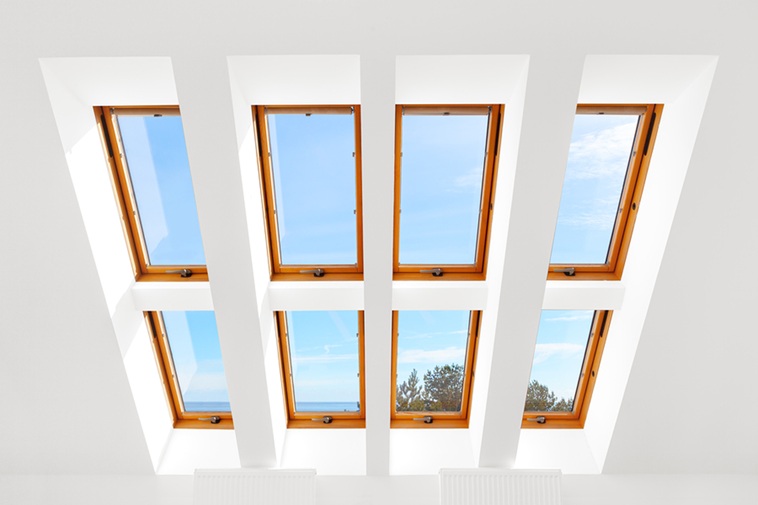
Have you ever walked into a room flooded with gorgeous natural light and instantly felt more relaxed? Or perhaps you’ve wondered how some homes seem to glow from within, even on overcast days? Skylights might just be the secret ingredient you’ve been missing in your home.
There’s something magical about natural light streaming in from above. It transforms spaces, lifts moods, and can even slash your energy bills. Skylights bring the outdoors in without sacrificing privacy or wall space, making them a brilliant addition to Australian homes where sunshine is abundant year-round.
In this guide, we’ll walk you through everything you need to know about skylights—from choosing the right type for your home to installing them properly and keeping them in tip-top condition for years to come. Whether you’re a keen DIYer or planning to hire a professional, you’ll find practical advice to help you make the most of your skylight investment.
Types Of Skylights: Which One Is Right For Your Home?
Before you start cutting holes in your roof, you’ll want to understand your options. Not all skylights are created equal, and picking the right one makes all the difference.
Fixed skylights are the most straightforward option. They don’t open, so they’re purely for letting light in. These work brilliantly in rooms where you want maximum brightness without worrying about ventilation—think hallways, stairwells, or walk-in wardrobes.
Ventilating skylights open to allow fresh air circulation. They’re perfect for bathrooms and kitchens where moisture builds up. Some models open manually with a crank handle, while others feature electric motors or even smart home integration.
Tubular skylights are compact alternatives for smaller spaces. They use a reflective tube to channel light from the roof into rooms below. These are ideal when traditional skylights won’t fit or when you’re working with a tighter budget.
What Is The Best Type Of Skylight For Australian Homes?
For most Australian homes, ventilating skylights offer the best value. They provide natural light while helping manage the heat that can build up in our warm climate. Look for models with UV-protective glazing to prevent furniture fading and keep cooling costs down.
Planning Your Skylight Installation
Proper planning saves headaches down the track. Rushing this stage often leads to disappointing results or costly repairs.
Assessing Your Roof Structure And Pitch
First, take a good look at your roof. Flat roofs, pitched roofs, and different roofing materials all require different installation approaches. Most skylights work best on roofs with a pitch between 15 and 60 degrees. If your roof sits outside this range, you’ll likely need special mounting kits.
Check for obstacles too—electrical wiring, plumbing, and structural beams can all complicate installation. A quick inspection of your roof cavity reveals potential issues before you commit.
Choosing The Ideal Location For Maximum Light
Position matters enormously. North-facing skylights capture the most consistent light throughout the day in Australia. East-facing options provide lovely morning light, while west-facing installations can create intense afternoon heat.
Think about which rooms benefit most from additional light. Kitchens, living areas, and home offices are popular choices. Avoid placing skylights where direct sunlight might damage artwork or create uncomfortable glare on screens.
Do Skylights Need Council Approval In Australia?
Generally, skylights fall under exempt development in most Australian states, meaning you won’t need council approval for standard installations. However, if your home is heritage-listed, in a bushfire zone, or subject to specific overlays, you might need permission. Always check with your local council first—it takes just a phone call and could save significant stress.
Step-By-Step Guide: How To Install A Skylight
Ready to get stuck into the installation? Here’s what you need to know.
Tools And Materials You Will Need
Gather these essentials before starting:
– Reciprocating saw or circular saw
– Drill and appropriate bits
– Measuring tape and pencil
– Roofing sealant and flashing kit
– Safety glasses and work gloves
– Ladder and roof safety equipment
Preparing The Roof Opening
Mark your opening from inside the roof cavity, driving nails through at the corners to guide your exterior cuts. Remove any insulation and cut through the ceiling lining carefully. Then, working from outside with proper safety equipment, cut through the roofing material following your marked lines.
Installing The Skylight Frame And Flashing
The flashing kit is critical—it’s your defence against water intrusion. Position the frame, ensuring it sits level and square. Install the base flashing first, tucking it under the roofing material above and over the material below. This overlap pattern channels water away from the opening.
Fitting The Skylight Dome Or Glass Panel
Once your frame and flashing are secure, fit the dome or glass panel according to manufacturer instructions. Most units click or screw into place. Take your time here—a properly seated panel prevents rattling in windy weather.
Sealing And Waterproofing Essentials
Apply quality roofing sealant around all edges and any screw penetrations. Don’t skimp on this step. Check the seal from inside during the next rainfall to confirm everything’s watertight.
Can You Install A Skylight Yourself Or Do You Need A Professional?
Handy DIYers can tackle tubular skylights confidently. Larger traditional skylights present more challenges, particularly with waterproofing and electrical work for motorised units. If you’re not comfortable working at heights or your roof structure seems complex, hiring a professional is money well spent.
Common Skylight Installation Mistakes To Avoid
Learning from others’ errors saves time and money. Here are the pitfalls to sidestep.
Poor placement and orientation leads to overheating or insufficient light. A west-facing skylight in a bedroom, for instance, might turn your sleeping space into a furnace during summer afternoons. Plan carefully for your specific needs.
Inadequate waterproofing causes the majority of skylight problems. Cutting corners on flashing or sealant almost always results in leaks eventually. Invest in quality materials and follow manufacturer guidelines precisely.
Ignoring ventilation requirements creates problems in wet areas. Bathrooms without adequate ventilation develop mould and moisture damage. If you’re installing a skylight in a bathroom, choose a ventilating model or ensure other ventilation exists.
How To Maintain Your Skylight For Long-Lasting Performance
A well-maintained skylight lasts 20 years or more. Neglected ones fail much sooner.
Cleaning Your Skylight Safely
Clean your skylight twice yearly—more often if you live near the coast or in dusty areas. Use a soft cloth with mild soapy water, avoiding abrasive cleaners that scratch the surface. For exterior cleaning, work from a secure ladder or consider hiring professionals for difficult-to-reach installations.
Inspecting Seals And Flashing Regularly
Annual inspections catch small problems before they become expensive repairs. Look for cracked sealant, lifted flashing, or debris accumulation around the frame. Clear any leaves or dirt that might trap moisture against the skylight.
How Often Should Skylights Be Serviced?
Professional servicing every three to five years extends your skylight’s lifespan significantly. Technicians check aspects you might miss—weep holes, hinge mechanisms, and glazing integrity. This small investment prevents major failures.
What Causes Skylights To Leak And How Do You Fix It?
Leaks typically stem from failed seals, damaged flashing, or condensation mistaken for leaks. True leaks require resealing or flashing replacement. Condensation issues often improve with better ventilation. If you can’t identify the source, call a professional rather than guessing.
Troubleshooting Common Skylight Problems
Even well-installed skylights occasionally develop issues. Here’s how to address them.
Condensation and moisture buildup</strong> often indicates humidity problems rather than leaks. Improve room ventilation and consider whether your skylight needs better insulation around the frame. In winter, some condensation is normal.
Cracks and damage to the dome or glass</strong> require prompt attention. Small cracks spread quickly, especially with temperature changes. Most manufacturers sell replacement panels, though you’ll need to match the exact model.
When to repair versus replace your skylight</strong> depends on the damage extent and the unit’s age. Skylights over 15 years old with significant issues often warrant replacement rather than ongoing repairs. Modern units offer better efficiency and features anyway.
Enjoying The Benefits Of A Well-Installed Skylight
Installing and maintaining skylights effectively transforms your home’s atmosphere while potentially reducing your energy bills. With proper planning, correct installation, and regular maintenance, your skylight will provide years of beautiful natural light.
The key takeaways are straightforward: choose the right skylight type for your specific needs, don’t cut corners on waterproofing, and commit to regular maintenance. These steps ensure your investment pays dividends for decades.
Whether you’ve decided to tackle the installation yourself or hire a professional, you’re now equipped with the knowledge to make informed decisions. Go on—bring that gorgeous Australian sunshine into your home and enjoy the brighter, more inviting spaces you deserve!