Why Are Young People Getting Liver Problems?
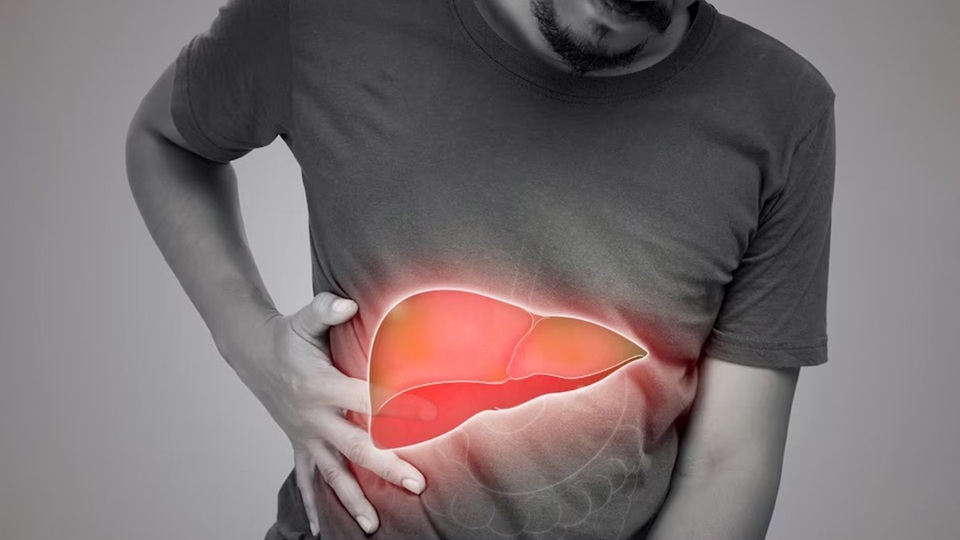
In a worrying health trend, more and more young people are being diagnosed with liver-related conditions once considered exclusive to older adults. From fatty liver to hepatitis and even early signs of cirrhosis, liver diseases are emerging as a growing threat among individuals in their 20s and 30s. The shift reflects changing lifestyle patterns, dietary habits, and increasing exposure to environmental and pharmaceutical risks.
A Silent Epidemic Among Youth
Health professionals have observed a significant increase in liver ailments in younger age groups over the past decade. Once viewed as rare in people under 40, liver conditions are now being detected in adolescents and young adults during routine health screenings or only after symptoms become severe.
This rise is not solely linked to alcohol consumption. Experts point to a broader set of contributing factors — from sedentary lifestyles and poor diets to the growing use of unregulated supplements and over-the-counter medications.
What’s Causing Liver Problems in Young Adults?
1. Unhealthy Diets and Fat Accumulation
One of the leading contributors is non-alcoholic fatty liver disease (NAFLD). It occurs when fat builds up in the liver in people who drink little or no alcohol. Diets rich in processed foods, sugar, and saturated fats are fueling this condition. Combined with low fiber intake and lack of balanced nutrition, these eating habits promote fat deposition in the liver, even among those with a normal body weight.
2. Lack of Physical Activity
Physical inactivity is another major concern. Many young adults lead sedentary lives — working long hours at desks, spending leisure time on screens, and getting minimal exercise. This combination leads to weight gain, insulin resistance, and metabolic disturbances that increase the risk of liver dysfunction.
3. Alcohol Consumption Patterns
While moderate alcohol use may not cause immediate damage, binge drinking and long-term consumption can lead to liver inflammation, alcoholic fatty liver disease, and eventually cirrhosis. Patterns of social drinking and peer influence among young people can intensify the risk, especially when alcohol is combined with poor diet and other liver stressors.
4. Unregulated Supplements and Medication Overuse
A lesser-known cause of liver injury is the excessive use of painkillers, steroids, bodybuilding supplements, and even some herbal or traditional remedies. Many of these products are taken without medical advice and may contain substances toxic to the liver. Paracetamol (acetaminophen), when taken in high doses or combined with alcohol, is a leading cause of acute liver failure in several regions.
5. Hepatitis Infections
Viral infections such as Hepatitis B and C still account for a substantial number of liver disease cases. These infections often go undetected for years due to their asymptomatic nature in the early stages. Without timely screening and treatment, chronic hepatitis can lead to long-term liver damage.
6. Environmental and Genetic Factors
Emerging research suggests that exposure to pollutants, food additives, and toxins may also play a role in liver inflammation. In some individuals, genetic predisposition further increases the likelihood of liver disorders, even in the absence of common risk factors.
Symptoms Are Easy to Miss
Liver disease is often called a “silent” condition because its symptoms can be vague or absent until the damage is significant. Common signs include:
- Persistent fatigue
- Abdominal discomfort or bloating
- Nausea or loss of appetite
- Dark urine or pale stools
- Jaundice (yellowing of skin and eyes)
Because these symptoms are nonspecific, many young people do not seek medical attention until the disease is in an advanced stage.
Long-Term Health Consequences
If not addressed early, liver issues can progress to serious conditions such as:
- Cirrhosis – irreversible liver scarring
- Liver cancer
- Liver failure, which may require transplant
Moreover, a poorly functioning liver affects the body’s ability to regulate cholesterol, blood sugar, and hormones, leading to complications like heart disease and diabetes.
Prevention and Solutions
✔ Routine Health Screening
Regular liver function tests and ultrasound screenings can help detect issues early. Young adults with a family history of liver disease, obesity, or alcohol use should consider periodic check-ups.
✔ Balanced Diet and Exercise
Maintaining a healthy diet — rich in fruits, vegetables, lean proteins, and whole grains — along with at least 30 minutes of daily physical activity is essential for liver health. Reducing sugar and fat intake helps prevent fat buildup in the liver.
✔ Responsible Alcohol and Supplement Use
Avoiding excessive alcohol and consulting healthcare professionals before using any medications or supplements is key. Labels should be read carefully, especially for over-the-counter products that may contain hepatotoxic substances.
✔ Vaccination and Safe Practices
Vaccination against hepatitis viruses and practicing safe hygiene and healthcare behaviors help prevent viral liver infections. Awareness about routes of transmission and the importance of early detection should be promoted widely.
Conclusion: A Wake-Up Call for the Young Generation
The liver plays a vital role in detoxifying the body, regulating metabolism, and maintaining overall health. Damage to this organ in early adulthood can have lifelong consequences. The rising incidence of liver disease among young people is more than a medical concern — it’s a warning sign of broader lifestyle and behavioral shifts.
Taking small steps toward healthier living, being mindful of what we consume, and investing in regular health monitoring can help ensure that this silent epidemic doesn’t continue to grow. Protecting liver health today can lead to a stronger, longer, and healthier life tomorrow.