How-To Guide: Effective Commercial Waterproofing Techniques for Melbourne Businesses
Have you ever walked into your commercial property after heavy rain and spotted mysterious damp patches on the walls? Perhaps you’ve noticed that musty smell creeping through your basement or seen cracks appearing in your car park’s concrete? If these scenarios sound familiar, you’re not alone—and you’re definitely in the right place.
Water damage is one of the most destructive forces affecting commercial buildings across Melbourne. Left unchecked, it can compromise structural integrity, create health hazards, and drain your bank account faster than you’d imagine. The good news? Effective commercial waterproofing Melbourne solutions exist, and understanding them could save your business thousands of dollars in repairs.
In this guide, we’ll walk you through everything you need to know about protecting your commercial investment. From understanding the basics to choosing the right contractor, we’ve got you covered. You’ll learn about different waterproofing systems, key areas requiring protection, and what to expect cost-wise. Let’s get stuck into it, shall we?
Understanding Commercial Waterproofing Basics
What Sets Commercial Waterproofing Apart from Residential?
Commercial waterproofing differs significantly from its residential counterpart. We’re talking about larger surface areas, more complex structures, and higher stakes. Commercial buildings typically feature flat roofs, podium decks, underground car parks, and multiple wet areas—each requiring specialised treatment.
The materials and techniques used in commercial applications are generally more heavy-duty. They need to withstand greater foot traffic, heavier loads, and more demanding environmental conditions. Plus, commercial projects must comply with stricter building codes and Australian Standards.
Spotting the Warning Signs
Knowing when your property needs attention is half the battle. Keep an eye out for water stains on ceilings and walls, peeling paint, efflorescence (those white salt deposits), and mould growth. Cracks in concrete, especially near expansion joints, are another red flag.
Don’t ignore persistent dampness or puddles that appear after rain. These issues rarely resolve themselves—they typically worsen over time, leading to more extensive damage and costlier repairs.
Types of Commercial Waterproofing Systems
Membrane Waterproofing Solutions
Membrane systems are workhorses in commercial waterproofing. These involve applying sheet or liquid membranes that create a continuous barrier against water ingress. You’ll find options like EPDM rubber, TPO, and PVC membranes commonly used on flat roofs and podium decks.
Sheet membranes offer excellent durability and consistent thickness. They’re particularly effective for large, flat surfaces where uniformity matters. Liquid membranes, on the other hand, provide seamless coverage and work brilliantly around complex details and penetrations.
Cementitious and Liquid Applied Methods
Cementitious waterproofing uses cement-based products mixed with water and applied to concrete surfaces. It’s straightforward, cost-effective, and ideal for internal wet areas like commercial kitchens and bathrooms. The rigid nature makes it less suitable for areas experiencing movement or vibration.
Liquid applied systems have gained popularity for their versatility. These products cure to form flexible, seamless membranes that accommodate minor structural movements. They’re perfect for balconies, terraces, and areas with numerous penetrations.
Which Method Works Best?
The best waterproofing method depends entirely on your specific situation. Factors include the area being treated, exposure conditions, expected traffic, and budget constraints. Polyurethane coatings excel in high-traffic zones, while bituminous coatings remain popular for below-ground applications.
A qualified waterproofing specialist can assess your property and recommend the most suitable approach. Don’t be tempted to cut corners—the wrong choice now could mean expensive remediation later.
Key Areas Requiring Commercial Waterproofing
Below-Ground and Basement Protection
Basements and below-ground structures face constant hydrostatic pressure from groundwater. Without proper protection, water will find its way through concrete, causing structural damage and creating unhealthy conditions.
Effective basement waterproofing typically involves external membranes applied during construction, internal coatings, or drainage systems that redirect water away from the structure. Retrofit solutions exist for existing buildings, though they’re generally more complex and costly.
Roofs, Balconies, and Outdoor Areas
Flat roofs and podium decks are particularly vulnerable to water damage. These horizontal surfaces collect rainwater, and any failure in the waterproofing system leads directly to leaks in the spaces below.
Balconies and terraces require flexible waterproofing systems that handle thermal movement. Melbourne’s temperature swings between seasons mean materials expand and contract considerably. Your waterproofing must accommodate this without cracking or losing adhesion.
Car Parks and Wet Areas
Commercial car parks endure heavy vehicle loads, oil spills, and constant exposure to moisture. Concrete sealing and protective coatings extend the structure’s lifespan and prevent costly deterioration.
Wet areas in commercial premises—think bathrooms, kitchens, and laundries—need compliant waterproofing under Australian Standards. Failure here doesn’t just cause damage; it creates liability issues and potential health hazards.
Step-by-Step Commercial Waterproofing Process
Assessment and Preparation
Every successful waterproofing project starts with a thorough site inspection. Professionals examine existing conditions, identify problem areas, and determine the root cause of any water ingress. This assessment informs the recommended approach and accurate pricing.
Surface preparation is absolutely critical. This involves cleaning, repairing cracks, removing contamination, and ensuring the substrate is sound. Skipping this step guarantees premature failure—no membrane performs well on a poorly prepared surface.
Application and Quality Assurance
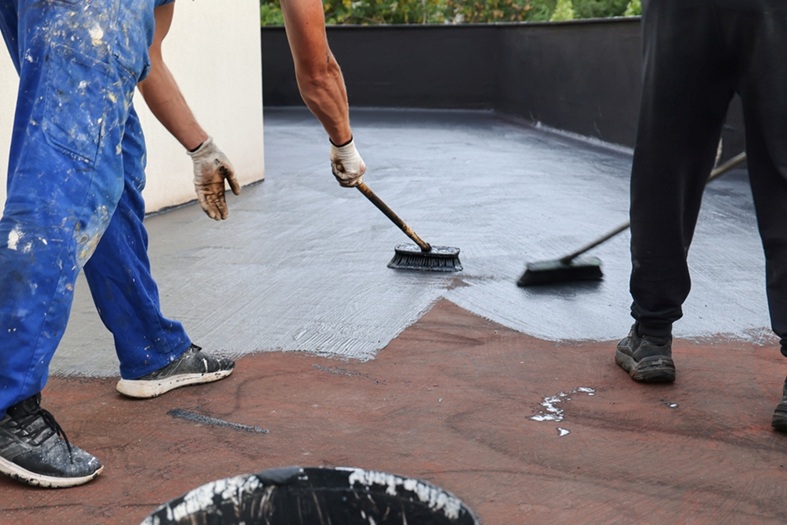
Application methods vary by product type. Sheet membranes are heat-welded or adhered, while liquid products are sprayed, rolled, or trowelled. Multiple coats are typically required, with adequate curing time between applications.
Quality assurance testing confirms the installation meets specifications. This includes flood testing for horizontal surfaces, adhesion tests, and thickness measurements. Documentation provides evidence of compliance and supports warranty claims if issues arise.
Commercial Waterproofing Costs in Melbourne
What Affects Pricing?
Several factors influence commercial waterproofing costs. The size of the area, accessibility, selected materials, and existing surface condition all play roles. Complex projects with numerous penetrations or difficult-to-reach areas cost more than straightforward applications.
The building’s age and construction type also matter. Older buildings often require more extensive preparation work. Plus, the timing of work—whether during construction or as a retrofit—significantly impacts the final bill.
Typical Cost Ranges
While exact figures depend on your specific project, expect to pay anywhere from to per square metre for commercial waterproofing in Melbourne. Basement tanking and complex remediation work sits at the higher end, while simpler wet area treatments are more affordable.
Remember, the cheapest quote isn’t always the best value. Quality materials, skilled application, and comprehensive warranties justify paying a bit more upfront. The cost of waterproofing failure far exceeds the investment in doing it properly the first time.
Choosing the Right Melbourne Contractor
What to Look For
Seek out contractors with specific commercial waterproofing experience. Check they hold appropriate licences, carry adequate insurance, and can provide references from similar projects. Membership in industry associations indicates commitment to professional standards.
Ask about their familiarity with Melbourne’s building codes and Victoria’s compliance requirements. A knowledgeable contractor understands local regulations and ensures your project meets all necessary standards.
Understanding Warranties
Warranties vary considerably between contractors and products. Material warranties from manufacturers typically range from 10 to 25 years, but these only cover product defects—not installation issues.
Workmanship warranties from installers are equally important. Clarify exactly what’s covered, for how long, and what conditions might void the warranty. Get everything in writing before work commences.
Melbourne-Specific Considerations
Melbourne’s climate presents unique challenges for commercial waterproofing. The city experiences everything from scorching summer days to cold, wet winters—sometimes in the same week! This thermal cycling stresses waterproofing systems and demands flexible, durable materials.
Victoria’s building regulations require compliance with the National Construction Code and relevant Australian Standards. Commercial waterproofing for wet areas must meet AS 3740, while roofing applications follow AS 4654. Your contractor should be across these requirements.
Maintaining Your Waterproofing System
Commercial waterproofing typically lasts 10 to 25 years, depending on the system used, environmental exposure, and maintenance practices. Regular inspections catch problems early, before they become expensive disasters.
Preventative maintenance includes clearing drains, checking sealants around penetrations, and addressing minor damage promptly. Annual professional inspections are a worthwhile investment, particularly for roofs and high-risk areas.
Protecting Your Melbourne Commercial Investment
We’ve covered a lot of ground in this guide—from understanding waterproofing basics to choosing contractors and maintaining your system. The key takeaway? Commercial waterproofing isn’t optional; it’s essential protection for your property investment.
Water damage doesn’t discriminate between building types or budgets. What starts as a small leak can escalate into structural problems, mould infestations, and significant financial losses. Taking proactive steps now prevents headaches down the track.
Whether you’re planning new construction or addressing issues in an existing building, seek professional advice tailored to your situation. A qualified commercial waterproofing Melbourne specialist will assess your needs, recommend appropriate solutions, and deliver work that stands the test of time. Your building—and your bottom line—will thank you for it.