How to Select the Right Excavator Hire for Your Construction Needs
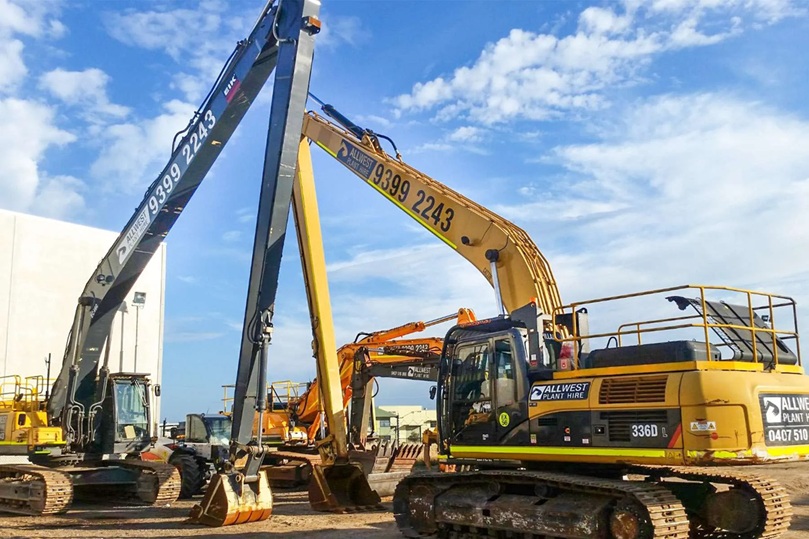
Ever found yourself standing on a job site, scratching your head and wondering which excavator would actually get the work done properly? Or perhaps you’ve hired equipment that turned out to be completely wrong for the task at hand? Maybe you’re about to start a project and have no clue where to begin when it comes to choosing the right machine?
You’re definitely not alone. Picking the perfect excavator can feel overwhelming, especially with so many options available in the Australian market. Get it wrong, and you’re looking at wasted time, blown budgets, and a whole lot of frustration. Get it right, and your project runs smoothly from start to finish.
In this guide, we’ll walk you through everything you need to know about selecting an excavator that matches your specific requirements. From understanding different machine sizes and their applications to working out costs and checking licensing requirements, we’ve got you covered. By the end, you’ll feel confident making an informed decision that keeps your project on track and your wallet happy.
Understanding Excavator Types and Their Applications
Mini Excavators (1-7 Tonnes)
Mini excavators are the compact workhorses of the construction world. These nimble machines weigh between one and seven tonnes, making them perfect for tight residential spaces, landscaping projects, and small-scale earthmoving tasks. They can squeeze through standard gates and won’t damage driveways or delicate surfaces.
Their smaller footprint doesn’t mean they lack power, though. Mini excavators handle trenching for utilities, digging footings, and general site preparation with ease. Plus, they’re relatively simple to transport on a standard trailer.
Midi Excavators (7-10 Tonnes)
Sitting in the middle ground, midi excavators offer a balance between power and manoeuvrability. They’re brilliant for medium-sized commercial projects, subdivision work, and larger residential developments where you need more digging capacity without bringing in heavy machinery.
These machines provide greater reach and digging depth than their mini counterparts while still maintaining reasonable transportability. They’re often the go-to choice for contractors who need versatility across multiple job types.
Standard Excavators (10-20 Tonnes)
When projects demand serious digging power, standard excavators step up to the plate. These machines tackle commercial construction, road building, and large-scale earthworks. Their increased weight and power mean faster cycle times and improved efficiency on bigger jobs.
Standard excavators excel at loading trucks, deep excavation, and demolition work. However, they require larger transport vehicles and more space to operate effectively.
Large Excavators (20+ Tonnes)
For major infrastructure projects, mining operations, and industrial-scale earthmoving, large excavators are essential. These machines move substantial volumes of material quickly and efficiently. They’re commonly seen on highway construction, quarry operations, and large commercial developments across Australia.
Wheeled vs Tracked Excavators: Which Is Better for Your Site?
Tracked excavators provide superior stability on uneven terrain and soft ground. They distribute weight more evenly, reducing ground pressure and preventing sinking. Wheeled excavators, on the other hand, offer faster travel speeds and work well on hard, flat surfaces like concrete or bitumen. Consider your site conditions carefully when making this choice.
What Size Excavator Do I Need for My Project?
Matching Machine Size to Job Requirements
Choosing the right size comes down to understanding your project’s specific demands. Think about the depth you need to dig, the amount of material you’ll move, and how quickly you need the job completed. A machine that’s too small will slow progress, while one that’s too large wastes money and may cause access problems.
Consider the weight of materials you’ll lift and the reach required. A good rule of thumb: always factor in a bit of extra capacity rather than pushing a smaller machine to its limits constantly.
Residential vs Commercial Construction Needs
Residential projects typically suit mini to midi excavators. These machines handle pool excavations, house foundations, and garden landscaping without causing excessive site disruption. Commercial projects often demand standard or large excavators due to greater volumes and tighter deadlines.
Common Mistakes When Sizing an Excavator
Many people underestimate the importance of access routes and working space. Others focus solely on the primary task while forgetting about secondary jobs the machine might perform. Always assess your entire project scope before committing to a size.
Key Features to Consider When Choosing an Excavator
Digging Depth and Reach Capacity
Check the specifications carefully. Digging depth determines how far below ground level you can work, while reach capacity affects how far the arm extends horizontally. Both measurements directly impact what tasks the machine can accomplish.
Engine Power and Fuel Efficiency
Modern excavators offer impressive fuel economy compared to older models. Look for machines with efficient engines that deliver strong performance without guzzling diesel. This saves money over the project duration.
Hydraulic System Performance
The hydraulic system drives everything an excavator does. Smooth, responsive hydraulics improve productivity and reduce operator fatigue. Higher flow rates enable faster movements and better attachment performance.
Operator Comfort and Safety Features
Happy operators work more efficiently. Air-conditioned cabs, ergonomic controls, and good visibility all contribute to productivity. Safety features like ROPS/FOPS protection, rear-view cameras, and proximity alerts protect everyone on site.
How Much Does It Cost to Hire an Excavator?
Factors Affecting Excavator Hire Rates
Excavator hire costs vary based on machine size, hire duration, and whether you need an operator included. Location matters too—remote areas typically attract higher rates due to transport costs. Attachments often incur additional charges.
Daily rates for mini excavators start around $250-$400, while standard machines range from $500-$800 daily. Large excavators can exceed $1,500 per day. Weekly and monthly rates offer better value for longer projects.
Buying vs Hiring: What Makes Financial Sense?
For occasional use, hiring makes clear financial sense. You avoid maintenance costs, storage requirements, and depreciation. However, if you’re using an excavator regularly, purchasing might prove more economical long-term. Calculate your annual usage hours to determine the tipping point.
What Attachments Can Be Used With an Excavator?
Essential Attachments for Different Tasks
Excavators become incredibly versatile with the right attachments. Buckets come in various widths for different tasks—narrow for trenching, wide for bulk excavation. Hydraulic hammers break through rock and concrete. Augers drill holes for posts and piers.
Rippers loosen compacted soil, while thumbs improve material handling capability. Tilt buckets allow angled cuts without repositioning the machine. Each attachment expands what your excavator can accomplish.
Boosting Versatility on Australian Job Sites
Australian conditions often demand adaptability. One machine fitted with multiple attachments can handle grading, trenching, demolition, and material handling. This reduces the need for additional equipment and keeps costs down.
Site Conditions and Access Considerations
Working in Tight Spaces and Urban Environments
Urban job sites present unique challenges. Narrow lanes, overhead power lines, and neighbouring properties all restrict what machinery you can bring in. Zero tail swing excavators work brilliantly in confined spaces, rotating within their own footprint without striking obstacles.
Always conduct a thorough site inspection before selecting equipment. Measure gate widths, check ground conditions, and identify any overhead hazards.
Handling Challenging Australian Terrain
Australia’s diverse landscapes throw up plenty of challenges. Sandy coastal soils, rocky outback terrain, and waterlogged conditions all affect machine selection. Tracked excavators generally perform better on difficult ground, while wider tracks further reduce ground pressure on soft surfaces.
Can I Operate an Excavator Without a Licence?
Australian Licensing Requirements Explained
In Australia, you need a High-Risk Work Licence to operate excavators over three tonnes. Specifically, you’ll require an Excavator Operator ticket, obtained through a Registered Training Organisation. Machines under three tonnes don’t require formal licensing, though proper training remains strongly recommended.
Employers must verify operators hold appropriate licences before allowing them to use equipment. Penalties apply for non-compliance, and insurance may be voided if unlicensed operators cause incidents.
Trusted Excavator Brands Available in Australia
The Australian market features several reputable manufacturers. Caterpillar, Komatsu, and Hitachi dominate the larger machine segment, known for reliability and extensive dealer networks. Kubota and Yanmar lead the mini excavator market, offering excellent value and dependable performance.
Korean brands like Hyundai and Doosan have gained significant market share, providing competitive pricing with solid build quality. Chinese manufacturers including Sany and XCMG offer budget-friendly options that have improved considerably in recent years.
Final Checklist: Selecting Your Ideal Excavator
Before making your final decision, run through these key points. Confirm the machine size matches your project requirements. Verify access routes can accommodate the equipment. Check all necessary attachments are available. Ensure operators hold appropriate licences. Compare excavator hire rates from multiple suppliers. Review the machine’s condition if hiring used equipment.
Conclusion
Selecting the right excavator doesn’t need to be complicated once you understand the basics. We’ve covered the main machine types, sizing considerations, important features, costs, attachments, and licensing requirements. Armed with this knowledge, you’re well-prepared to make a smart choice.
Remember, the best excavator for your project balances capability with practicality. There’s no point hiring a massive machine that can’t access your site, just as there’s no benefit in struggling with undersized equipment. Take time to assess your specific needs honestly.
Whether you’re tackling a backyard renovation or managing a large commercial development, the right excavator makes all the difference. Don’t hesitate to chat with excavator hire companies or equipment dealers—they’ve seen countless projects and can offer valuable guidance tailored to your situation. Now get out there and dig in!