A Comprehensive Guide to Lifestyle Changes for Diabetic Management
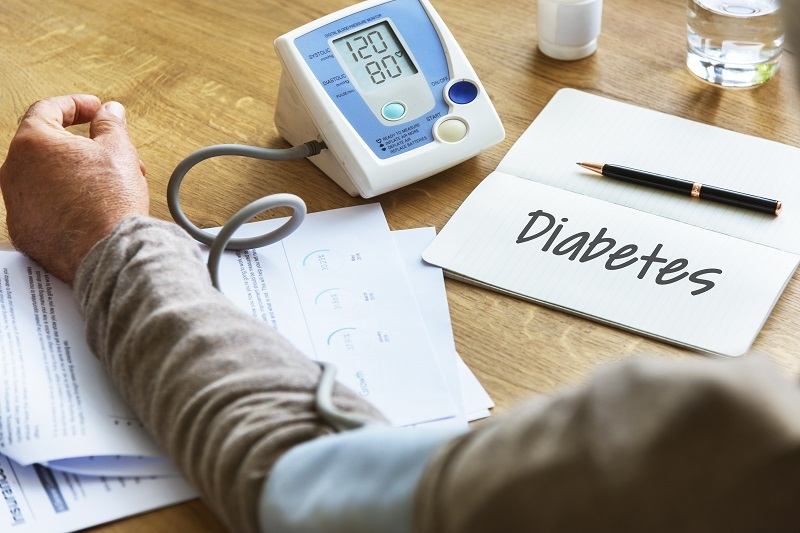
Imagine waking up each morning knowing that the day ahead is not just about completing tasks at work or doing household chores but is also a constant monitoring of your blood sugar levels. Life with diabetes can feel like you’re forever walking on a tightrope, balancing diet, physical activity, and medication to manage your health effectively. But what if you could navigate this journey with a little more confidence?
Did you know that by making a few lifestyle changes, you can manage diabetes more effectively and live a fulfilling life? In this comprehensive lifestyle guide for diabetic management, we delve deep into the topic. We’ll journey through the often asked aspects of diet, exercise, stress management and sleep patterns. If you are eager to break through the boundaries set by the diabetic lifestyle, then this guide is for you!
From considering which foods are best for your blood sugar levels, to discussing the importance of a good night’s sleep and finding methods to keep stress at bay, we’ll explore avenues leading to a healthier, happier you. Read on to commence this self-enhancing expedition.
An Insight into Diabetes
Before delving into lifestyle changes, it’s important to understand the medical condition itself. Diabetes is a chronic illness primarily characterized by high levels of sugar in your blood. There are primarily two types – Type 1, where your body doesn’t produce insulin, and Type 2, where your body doesn’t use insulin properly or doesn’t produce enough.
The cornerstone of diabetic management is balancing insulin, whether through medication or stabilizing glucose levels naturally. The focus here is to maintain normal blood sugar levels, and to prevent or manage complications, many of which can be severe if left untreated.
Dietary Modifications
Millions of cells in our body run on glucose, the simple sugar derived from certain types of foods. These include carbohydrates that are metabolized by the body into glucose. Eating the right types of food can help manage blood sugar levels and keep your diabetes under control.
Include foods with low glycemic index such as oats, lentils, and most fruits and vegetables. Opt for whole grains over refined grains; the fiber helps regulate glucose absorption. Lean proteins and healthy fats can also be part of your balanced diet.
Regular Physical Activity
Physical activity is another important aspect of diabetes management, but why is it beneficial? Well, when you exercise, muscle cells become more sensitive to insulin, meaning they can take up more glucose from your bloodstream and reduce your overall blood sugar levels.
Regular exercise also helps weight management, another key aspect in combating Type 2 diabetes. Choose a mix of diseases such as brisk walking, cycling, swimming or strength training. Remember, consistency is the key.
Stress Management and Sound Sleep
Stress triggers various hormones that can result in an increase in blood sugar levels. Therefore, tackling stress becomes vital in dealing with diabetes. Techniques such as meditation, deep breathing, and yoga can help in maintaining a calm demeanor.
Adequate sleep is equally important. Scientific studies indicate that lack of sleep may lead to increased appetite, leading to weight gain – a risk factor for type 2 diabetes. Therefore, ensure a good sleep schedule.
Regular Monitoring and Doctor Visits
Preventive care, like regular check-ups, blood sugar monitoring and ongoing communication with your healthcare provider, is critical in preventing complications. By checking your blood sugar levels frequently, you can study how different foods, medications, and activities affect it.
Doctor visits are also essential as your healthcare provider can review your treatment plan and modify it as necessary. Regular consultations and advice from dietitians and diabetes educators can be extremely beneficial.
Conclusion:
Living with diabetes doesn’t mean sacrificing the quality of your life. While it requires consistent attention, even small, sustainable adjustments can have a profound impact on your overall well-being.
The goal isn’t to overhaul everything overnight, but to build habits that last—cooking wholesome meals at home, gradually increasing physical activity, managing stress, and ensuring you get sufficient rest. Equally important is staying proactive with regular health check-ups and monitoring your glucose levels.
And for personalised, ongoing support that aligns with your lifestyle, seeking professional diabetic management in Melbourne can help you stay on track with confidence and clarity.
Here’s to making choices that nourish your body, support better diabetes control, and ultimately elevate your everyday life. Because managing diabetes isn’t just about living longer—it’s about living better.