Family Crest Finder Explained: Discovering Symbols Worth Engraving
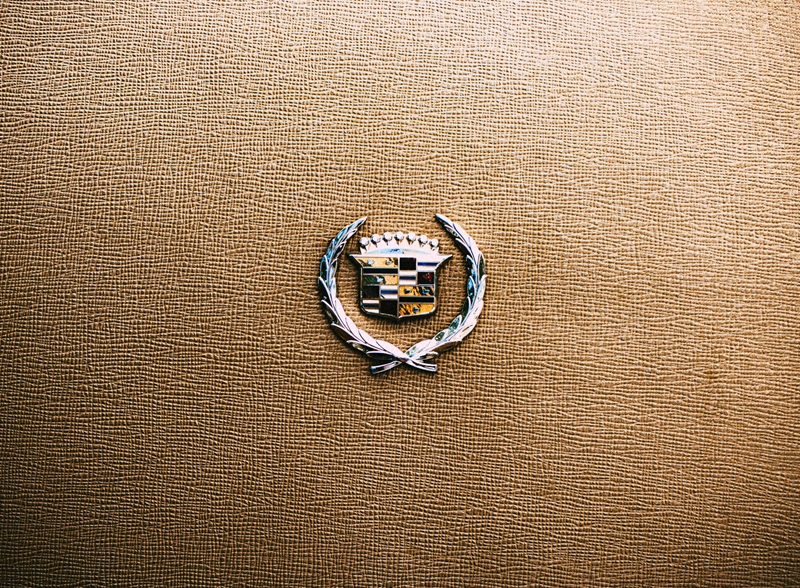
What a Family Crest Finder Is and Why It Matters
A family crest finder is a research tool—either digital or archival—that helps individuals explores heraldic symbols historically associated with their surname or lineage. For many people, discovering a family crest is more than a curiosity. It is a way to connect with ancestral roots, understand historical identity, and preserve heritage through meaningful symbols.
Interest in family crests has grown alongside genealogy research. As more people trace their ancestry through records, DNA testing, and historical archives, heraldry offers a visual and symbolic extension of that journey. A family crest, often mistaken as interchangeable with a coat of arms, carries layers of meaning shaped by medieval tradition, social rank, geography, and personal achievement.
However, understanding what a family crest truly represents—and how to find one accurately—requires clarity. Not every surname automatically has a crest, and heraldic symbols were traditionally granted to individuals rather than entire families. A family crest finder can help navigate these nuances by guiding research through documented heraldic records, regional history, and established traditions.
By understanding the origins, symbolism, and proper usage of crests, individuals can make informed decisions when incorporating them into heirlooms, artwork, or jewellery.
Origins: The Difference between Family Crests and Coats of Arms
The terms “family crest” and “coat of arms” are often used interchangeably in popular culture, but historically they refer to different elements of heraldry.
A coat of arms is the full heraldic design displayed on a shield. It may include several components: the shield itself (with colours and symbols), a helmet, a crest above the helmet, supporters on either side, or a motto beneath. The coat of arms is the complete heraldic achievement.
The crest, strictly speaking, is only one part of that design. It sits above the helmet and was originally used for identification in battle and tournaments. Crests often featured animals, wings, hands, or other distinctive symbols visible from a distance.
In medieval Europe, coats of arms were granted to individuals—typically knights, nobles, or prominent citizens—by a heraldic authority. These arms could then be inherited by legitimate descendants, usually following specific rules of primogeniture (inheritance by the eldest son). This means that not every person sharing the same surname is automatically entitled to the same coat of arms.
Over time, commercial interpretations blurred these distinctions. Decorative plaques and merchandise often assign a generic “family crest” to a surname without verifying lineage. A historically accurate approach requires tracing whether one’s direct ancestors were entitled to use a specific coat of arms.
Understanding this distinction is essential before using a family crest for engraving, display, or personal representation.
How a Crest Finder Works: Surnames, Heraldic Records, and Regional History
A family crest finder typically begins with a surname search, but responsible research goes beyond name matching. Because heraldry is lineage-based rather than surname-based, accurate identification depends on genealogical documentation.
1. Surname Research
The first step is identifying the historical origin of the surname. Surnames may derive from:
- Occupations (e.g., Smith, Baker)
- Locations (e.g., Hill, Woods)
- Patronymics (e.g., Johnson, meaning “son of John”)
- Descriptive traits (e.g., Short, Armstrong)
Different branches of the same surname may have originated independently in various regions. Therefore, two individuals with identical surnames may have no shared heraldic history.
2. Heraldic Registers and Authorities
In many countries, official heraldic authorities recorded and regulated coats of arms. Examples include:
- The College of Arms (England)
- The Court of the Lord Lyon (Scotland)
- The Chief Herald of Ireland
Continental Europe had similar systems, often tied to nobility or municipal records. A family crest finder may reference these archives to determine whether arms were officially granted and to whom.
Historical armorials—books cataloguing coats of arms—are also key sources. These publications often list blazons (formal heraldic descriptions) and illustrations of shields associated with individuals or families.
3. Regional and Historical Context
Understanding regional history adds depth to crest research. Migration patterns, wars, and social mobility influenced how heraldic symbols spread or evolved. For example:
- A family may have originated in one country but established a new heraldic identity after relocating.
- Political changes could alter or confirm the right to bear arms.
- Variations in spelling over centuries can affect surname tracing.
A reliable crest finder considers historical context rather than relying solely on a surname database.
Common Symbols Explained: Animals, Colours, and Their Meanings
Heraldry developed its own symbolic language. Each colour, animal, and object carries traditional associations.
Animals
Animals are among the most recognizable heraldic symbols:
- Lion – Courage, strength, and royalty
- Eagle – Vision, power, and leadership
- Stag (Deer) – Peace, harmony, and endurance
- Wolf – Loyalty and perseverance
- Bear – Protection and bravery
These creatures were often stylized in specific poses, each with a precise heraldic term. For example, a lion “rampant” stands upright on one hind leg, symbolizing readiness and valor.
Colours (Tinctures)
Heraldry uses a defined colour system:
- Gold (Or) – Generosity and elevation of the mind
- Silver (Argent) – Peace and sincerity
- Red (Gules) – Warrior spirit and courage
- Blue (Azure) – Loyalty and truth
- Green (Vert) – Hope and joy
- Black (Sable) – Constancy and resilience
The combination of colours follows heraldic rules to ensure visibility and contrast.
Objects and Symbols
Objects can represent professions, achievements, or virtues:
- Sword – Military honour
- Anchor – Hope or maritime heritage
- Book – Learning and scholarship
- Cross – Faith
- Crown – Authority or noble service
Understanding these meanings allows individuals to interpret an existing crest accurately or thoughtfully select symbols for new designs inspired by tradition.
Choosing Symbols for Engraving: Relevance, Clarity, and Authenticity
When incorporating a family crest into engraving—particularly on signet rings or heirloom jewellery—three principles are essential: relevance, clarity, and authenticity.
Relevance
Symbols should reflect documented heritage or personal meaning. If a verified coat of arms exists within one’s direct lineage, using its authentic design preserves historical continuity. If no documented arms exist, a newly designed crest should follow heraldic conventions rather than imitating unrelated historical arms.
Clarity
Engraving requires clean, well-defined elements. Heraldic designs are intentionally bold and stylized, making them suitable for carving into metal. Complex or overcrowded designs may lose detail when reduced in scale.
Traditional heraldic engraving often reverses the design on signet rings so that it produces a correct impression in wax. This practice reflects historical usage and enhances authenticity.
Authenticity
Authenticity involves respecting heraldic rules. For example:
- Avoid copying a coat of arms that belongs to another lineage.
- Maintain proper colour descriptions even if engraving is monochrome.
- Preserve correct proportions and symbolic placements.
For individuals commissioning new heraldic artwork, consulting authoritative guidelines or professional heraldic artists ensures accuracy.
Modern Use: Crests on Signet Rings and Heirloom Jewellery
While heraldry originated in medieval Europe, its presence continues in contemporary culture, particularly in personal adornment.
Signet Rings
Historically, signet rings bore engraved crests or coats of arms used to seal documents. The wax impression authenticated correspondence and signified identity. Today, signet rings remain symbolic objects representing heritage and continuity.
Modern wearers may choose to display a verified ancestral crest, a simplified shield, or a monogram inspired by heraldic design principles. The appeal lies in combining personal identity with historical symbolism.
Heirloom Jewellery
Crests also appear on pendants, cufflinks, and engraved lockets. These items often mark significant life events—weddings, anniversaries, or generational milestones.
Incorporating a crest into heirloom jewellery serves as a visual record of family narrative. Over time, such objects gain additional meaning as they pass between generations.
Decorative and Artistic Uses
Beyond jewellery, family crests may appear in framed artwork, stationery, or architectural details. When used thoughtfully, they represent pride in lineage rather than mere ornamentation.
Conclusion: Preserving Heritage through Meaningful Engraving
A family crest finder is more than a simple surname search tool. It opens a pathway into heraldic history, genealogical research, and symbolic storytelling. By understanding the distinction between crests and coats of arms, individuals can approach their heritage with clarity and respect.
Heraldry’s enduring appeal lies in its ability to condense identity into visual form. Animals, colours, and emblems speak across centuries, linking present generations with ancestral narratives. Whether verified through historical records or thoughtfully designed within heraldic tradition, a crest becomes a meaningful emblem of continuity.
When engraved onto signet rings or heirloom jewellery, these symbols transcend decoration. They represent legacy, values, and the preservation of family history in tangible form. Through careful research and informed choices, individuals can ensure that the heraldic symbols they adopt honor both tradition and authenticity—keeping heritage alive for generations to come.
About the Author
Diana Patterson is a jewellery blogger based in London, UK. She is passionate about antique and vintage jewellery and loves to blog about ways to style these rare jewels. She also covers the contemporary jewellery designs while collaborating with industry insiders and designers like Hancockssignetrings to get insight on the latest trends.