A Food Lover’s Guide to Finding Hidden Gems in Japanese Dining
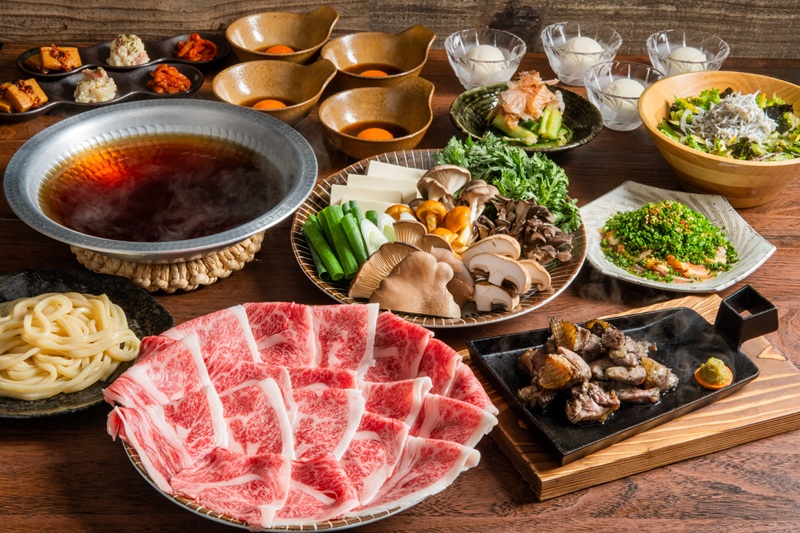
Have you ever walked past a tiny restaurant tucked away in a laneway, its menu entirely in Japanese, and wondered what culinary secrets lie inside? Or perhaps you’ve grown tired of the same predictable sushi rolls and are craving something more authentic? What if the best Japanese food in your city isn’t where Google tells you to look?
Finding genuine Japanese cuisine in Australia can feel like searching for a needle in a haystack. With countless restaurants claiming authenticity, it’s easy to end up disappointed by westernised interpretations that miss the mark. But here’s the thing – those truly special dining experiences exist. They’re just hiding in plain sight, waiting for adventurous food lovers like you to discover them.
In this guide, we’ll explore what separates an ordinary Japanese restaurant from an extraordinary one. You’ll learn practical tips for tracking down authentic eateries, understand the different types of Japanese cuisine worth exploring, and discover which neighbourhoods in Australian cities are home to the best hidden gems. Whether you’re a seasoned Japanese food enthusiast or just beginning your culinary journey, this guide will transform how you approach Japanese dining.
What Makes a Japanese Restaurant a “Hidden Gem”?
Authenticity Beyond the Mainstream
True hidden gems offer something you won’t find at chain restaurants or trendy fusion spots. These establishments prioritise traditional techniques, quality ingredients, and recipes passed down through generations. They might import specific ingredients from Japan or source locally with the same exacting standards a Tokyo chef would demand.
Authenticity shows up in subtle details. It’s the way rice is prepared, the freshness of wasabi (real wasabi, not the horseradish paste), and the seasonal awareness that shapes every menu. These restaurants don’t cut corners to appeal to mainstream tastes.
The Role of Family-Owned and Chef-Driven Establishments
Many of Australia’s best Japanese restaurants are family-run operations or led by passionate chefs who trained in Japan. These establishments often prioritise quality over profit margins. The chef might greet you personally, explain dishes with genuine enthusiasm, and take pride in every plate that leaves the kitchen.
Look for places where the same person who takes your order also prepares your meal. This connection between chef and diner creates an experience that larger establishments simply cannot replicate.
Signs You’ve Found Something Special
Several clues indicate you’ve stumbled onto something special. A handwritten specials board in Japanese, a compact menu that changes seasonally, and Japanese staff chatting amongst themselves are all positive signs. If the restaurant doesn’t feel the need to explain every dish in detail on the menu, they’re likely catering to customers who already know what they want.
How Do I Find Authentic Japanese Restaurants Near Me?
Looking Beyond Google’s Top Results
Here’s a tip that might surprise you – the best restaurants rarely top search engine results. Those positions often go to venues with strong marketing budgets or those that’ve mastered SEO. Instead, dig deeper. Check page two and three of results. Look at smaller review sites and community forums where genuine food enthusiasts share discoveries.
Using Japanese Community Resources and Forums
Japanese expat communities are goldmines of information. Facebook groups, forums, and community websites often feature discussions about where to find specific dishes or authentic experiences. These communities share recommendations amongst themselves, and if you can tap into these resources, you’ll find options that mainstream reviewers haven’t discovered.
Local Japanese cultural centres and language schools sometimes host events featuring authentic catering. These connections can lead you to restaurants that don’t advertise to the general public.
Following Local Food Bloggers and Critics
Seek out food writers who demonstrate genuine knowledge of Japanese cuisine. The best critics explain why a dish works, not just that it tastes good. They’ll discuss technique, ingredient quality, and cultural context. Following these voices on social media often reveals hidden gems before they become popular.
Types of Japanese Cuisine You Should Explore
Beyond Sushi: Regional Specialities Worth Discovering
Japan’s culinary landscape extends far beyond sushi. Each region boasts distinctive dishes – Osaka’s takoyaki, Hiroshima’s okonomiyaki, Nagoya’s miso katsu. Restaurants specialising in regional cuisine often fly under the radar because they cater to homesick Japanese expats rather than tourists.
Izakaya Culture and Why It’s Different from Regular Dining
Izakayas are Japanese pubs where food is designed for sharing alongside drinks. The atmosphere is lively, the portions smaller, and the variety extensive. Unlike formal restaurants, izakayas encourage exploration – order several small dishes and discover new favourites.
What Is Omakase and Is It Worth the Price?
Omakase means “I leave it up to you” – essentially letting the chef decide your meal. It’s worth the investment when you trust the chef’s expertise. A good omakase experience showcases seasonal ingredients at their peak, prepared with skill you won’t find elsewhere.
Street Food Favourites You Can Find Locally
Japanese street food – yakitori, karaage, onigiri – offers accessible entry points into authentic cuisine. Many hidden gems specialise in these humble dishes, preparing them with care that transforms simple ingredients into memorable meals.
How to Evaluate Japanese Restaurant Quality Before Visiting
Reading Reviews the Right Way
Focus on detailed reviews from people who demonstrate knowledge of Japanese cuisine. Comments about specific dishes, ingredient quality, and comparisons to experiences in Japan carry more weight than generic praise
Checking for Japanese Clientele and Staff
While not a definitive measure, a significant Japanese clientele suggests authenticity. Japanese expats seeking comfort food tend to know where to find the real thing. Similarly, staff who speak Japanese amongst themselves often indicate genuine connection to Japanese food culture.
Social Media Clues That Reveal Hidden Gems
Instagram and TikTok can reveal hidden gems through hashtags and location tags. Search in Japanese characters for dishes you’re interested in, combined with your city name. You might uncover restaurants that don’t market to English-speaking audiences.
Best Neighbourhoods for Japanese Dining in Australian Cities
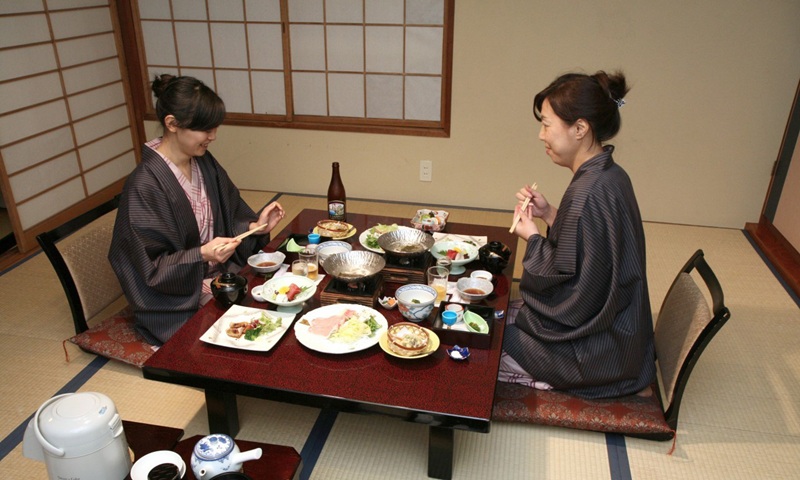
Where to Find Japanese Restaurants in Sydney
Sydney’s hidden gems cluster around Chatswood, Neutral Bay, and surprisingly, the inner west suburbs. The CBD offers options, but venture beyond tourist precincts for better value and authenticity.
Melbourne’s Thriving Japanese Food Scene
Melbourne rewards exploration. Richmond, Hawthorn, and the CBD’s laneways harbour excellent options. The city’s strong food culture supports specialist establishments focusing on specific Japanese cuisines.
Emerging Japanese Dining Spots in Brisbane and Perth
Brisbane’s Fortitude Valley and West End feature growing Japanese dining scenes. Perth’s Northbridge and Victoria Park offer options worth exploring, with newer establishments bringing fresh approaches to traditional cuisine.
Japanese Dining Etiquette Tips for First-Timers
Do’s and Don’ts When Dining at Traditional Japanese Restaurants
Always say “itadakimasu” before eating – it expresses gratitude. Don’t stick chopsticks upright in rice, as this resembles funeral rituals. Slurping noodles is perfectly acceptable and actually shows appreciation.
How to Order Like a Local
Start with a drink, order food gradually, and don’t rush. Japanese dining is about enjoying the experience, not finishing quickly. Ask staff for recommendations – they’ll appreciate your interest.
Is Japanese Food Healthy and What Are the Best Options?
Nutritional Benefits of Traditional Japanese Dishes
Traditional Japanese cuisine emphasises balance, fresh ingredients, and minimal processing. Fish, vegetables, fermented foods, and portion control contribute to its healthy reputation.
Lighter Choices for Health-Conscious Diners
For lighter options, choose sashimi over tempura, opt for miso soup, and explore vegetable-focused dishes. Avoid heavy sauces and fried items if you’re watching calories.
Your Next Japanese Dining Adventure Awaits
Finding hidden gem Japanese restaurants requires patience, curiosity, and willingness to step outside your comfort zone. The rewards, however, are absolutely worth the effort. These special places offer experiences that chain restaurants and mainstream eateries simply cannot match.
Remember, the best discoveries often come from following your instincts. That laneway restaurant with no English signage? Give it a try. The tiny place where locals queue during lunch? Join them. Each adventure brings you closer to understanding what makes Japanese cuisine so beloved worldwide.
Your next memorable meal is out there, waiting to be discovered. Armed with the knowledge from this guide, you’re ready to explore, taste, and appreciate Japanese dining in ways you never have before. So go on – your culinary adventure starts now.