How Building and Pest Inspection Protects Your Property Investment
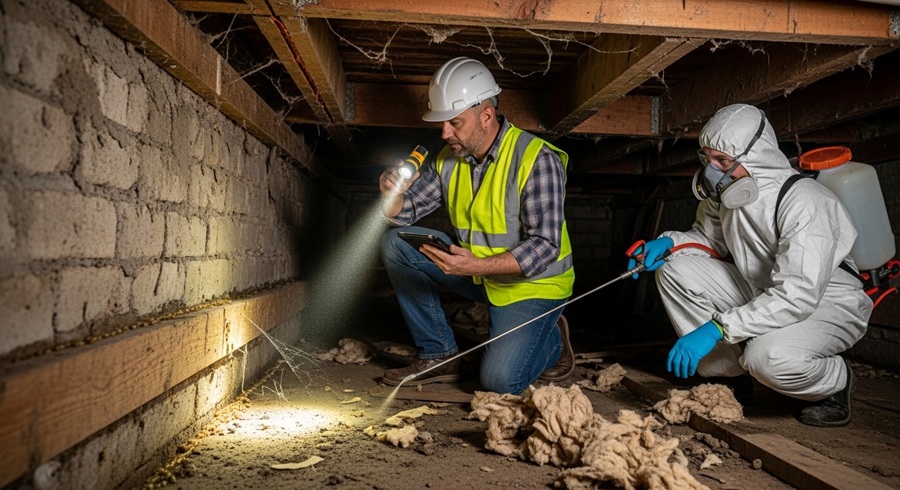
Buying a home or investment property in Australia is a major financial decision. One of the most effective ways to safeguard that investment is to arrange a thorough building and pest inspection before settlement. This article walks you through everything you need to know – from legal requirements and common pests to choosing the right inspector and acting on the findings. By the end, you’ll feel confident that you can protect your property, your budget, and your peace of mind.
Why a Building and Pest Inspection Matters
A building and pest inspection is more than a checklist; it is a detailed health‑check for the structure and the hidden critters that could cause costly damage. In Australia’s diverse climate, timber frames, brickwork, and concrete slabs each present unique vulnerability. A pest‑free home can retain its value longer, attract quality tenants, and avoid surprise repair bills that could erode your return on investment.
Protecting Your Financial Investment
When you discover termite damage, rot, or structural cracks before finalising the purchase, you gain negotiating power. You can request price reductions, demand repairs, or even walk away from a deal that poses too much risk. Without a proper inspection, hidden defects may surface years later, forcing you to spend thousands on remediation.
Ensuring Safety for Occupants
A compromised roof, unstable stairs, or severe pest infestation can create safety hazards for anyone living or working in the building. A comprehensive inspection highlights these risks early, allowing you to address them before they become accidents.
Legal Requirements and Regulations in Australia
Each Australian state and territory has its own rules regarding building and pest inspections. While the exact wording varies, the underlying principle is the same: buyers must be given a clear picture of the property’s condition before signing the contract.
National Consumer Law (ACL)
Under the Australian Consumer Law, sellers must not engage in misleading or deceptive conduct. If a seller hides known pest damage, they could be in breach of the ACL, giving the buyer legal recourse. This reinforces the importance of an independent building and pest inspection to verify the seller’s statements.
State‑Specific Rules
- New South Wales (NSW): The Home Building Act 1989 requires a pest inspection for new homes built after 1992 if the buyer requests it.
- Victoria (VIC): The Building Act 1993 encourages buyers to obtain a building inspection, especially for older properties.
- Queensland (QLD): The Queensland Building and Construction Commission (QBCC) recommends a combined building and pest report for all residential sales.
- South Australia (SA): The Residential Tenancies Act allows tenants to request a pest inspection before signing a lease.
- Western Australia (WA): The Home Building Contracts Act 1991 does not mandate an inspection, but most lenders require it for mortgage approval.
- Tasmania (TAS): The Building Act 2004 requires a building inspection for any property over 25 years old when sold.
- Northern Territory (NT): The Building Code of Australia (BCA) is applied, and a pest inspection is standard practice for most sales.
- Australian Capital Territory (ACT): The ACT Building Act 2004 recommends a combined inspection for all residential transfers.
Even where the law does not inspect compulsory, lenders, insurers, and many real‑estate agents will still ask for a building and pest inspection report before approving a loan or finalising a sale.
What Inspectors Look For During a Building and Pest Inspection
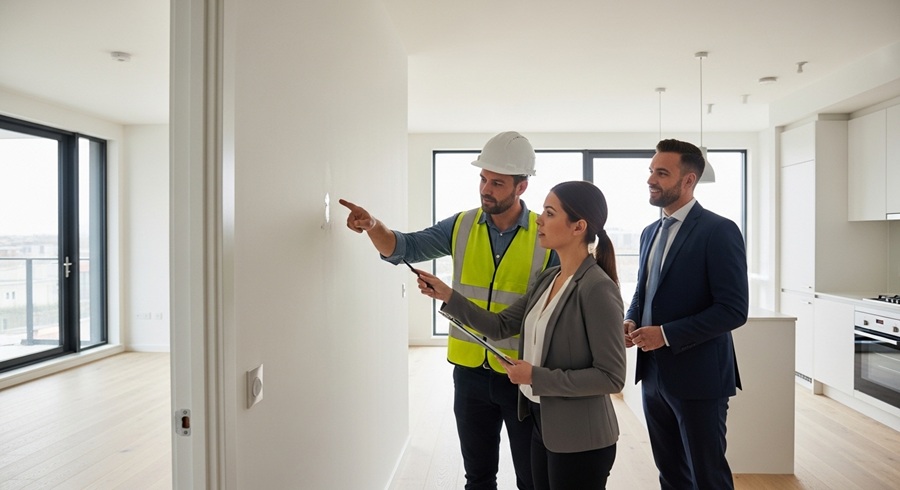
A qualified inspector follows a systematic approach, covering both the visible and hidden aspects of a property. Below is a typical scope of work for a building and pest inspection in Australia.
Structural Elements
- Foundations and footings – checking for cracks, settlement, and moisture ingress.
- Load‑bearing walls, columns, and beams – looking for rot, termite damage, or corrosion.
- Roof structure and cladding – assessing for missing tiles, water stains, and pest activity.
- Floor joists and decking – inspecting for sagging, termite tunnels, and wood decay.
Exterior and Interior Finishes
- External walls – verifying brickwork, render, and weather‑proofing.
- Gutters and downpipes – ensuring proper drainage to avoid moisture problems.
- Windows and doors – checking seals, frames, and any signs of pest entry.
- Internal walls and ceilings – looking for cracks, mould, and hidden pest galleries.
Pest‑Specific Checks
- Termite activity – visual inspection for mud tubes, swarms, and damage.
- Carpenter ants – identifying galleries in timber and signs of infestation.
- Other insects – such as wood‑boring beetles, cockroaches, and spiders.
- Rodents – evidence of droppings, gnaw marks, and nesting material.
Moisture and Environmental Factors
- Signs of water ingress – damp patches, efflorescence, and mould.
- Ventilation – adequate airflow in roof spaces and crawl spaces.
- Landscaping – grading and drainage that could affect the building’s foundation.
The inspector records findings in a detailed report, often with photographs, and provides clear recommendations for remediation, monitoring, or further specialist evaluation.
Common Pests That Threaten Australian Homes
Australia’s climate varies from tropical north to temperate south, creating ideal habitats for a range of pests. Understanding which pests are most likely to affect your property helps you interpret inspection results and plan preventive measures.
Termites (White‑Ants)
Termites are the most destructive pests for Australian homes. Subterranean termites build mud tubes to travel between the soil and timber, while dry‑wood termites attack exposed wood. Damage can be hidden deep within walls, floors, or roof structures, making early detection crucial.
Carpenter Ants
Carpenter ants do not eat wood but excavate it to create nests. Their presence often indicates moisture problems, as they prefer damp timber. An infestation can weaken structural members if left unchecked.
Wood‑Boring Beetles
Beetles such as the long‑horned wood beetle target seasoned timber, especially in older homes. Their larvae create tunnels that reduce the strength of beams and joists.
Rodents (Rats and Mice)
Rats and mice can gnaw through insulation, wiring, and timber, creating fire hazards and structural damage. Their droppings also pose health risks.
Other Insects
- Cockroaches – thrive in damp, warm environments and can contaminate food.
- Spiders – while most are harmless, some species like the redback can be dangerous.
- Termite‑like insects – such as the powder post beetle, which can be mistaken for termites.
Choosing a Reliable Inspector for Your Building and Pest Inspection
Not all inspectors provide the same level of service. Selecting a qualified professional ensures you receive an accurate, comprehensive report that complies with Australian standards.
Key Qualifications to Look For
- Licensing: In most states, inspectors must hold a valid building inspection licence or be a registered pest control operator.
- Accreditation: Membership in bodies such as the Australian Institute of Building Surveyors (AIBS) or the Pest Management Association (PMA) demonstrates commitment to best practices.
- Experience: Look for inspectors with at least three to five years of experience in residential inspections.
- Insurance: Professional indemnity insurance protects you if the inspection misses a major defect.
Benefits of Early Detection and Proactive Management
Detecting structural issues or pest activity early gives you a range of options. You can negotiate repairs, arrange for specialist treatment, or even walk away from a risky purchase. Proactive management also helps you maintain the property’s value over time.
Negotiation Leverage
A detailed inspection report provides concrete evidence you can use to ask for a price reduction or request that the seller completes repairs before settlement. This can save you thousands and protect your mortgage equity.
Peace of Mind for Lenders
Banks and credit unions often require a building and pest inspection before approving a loan. A clean report can speed up the approval process and may even improve your loan terms.
Long‑Term Maintenance Planning
The inspection highlights areas that need regular upkeep, such as gutter cleaning, timber treatment, or moisture control. By addressing these issues early, you reduce the likelihood of future pest invasions or structural failures.
Steps to Take After Receiving Your Inspection Report
A report is only useful if you act on it. Follow these steps to ensure the findings translate into real protection for your investment.
Review the Report Carefully
- Read every comment and examine the photographs.
- Identify which items are urgent (e.g., active termite colonies) versus those that are long‑term maintenance.
Consult Specialists If Needed
- For termite damage, contact a licensed pest control company for a treatment plan.
- For structural concerns, engage a qualified building engineer or carpenter for a second opinion.
Negotiate With the Seller
- Present the report and request a price adjustment or repair completion.
- Consider using a conditional contract that allows you to withdraw if major issues are not resolved.
Plan for Ongoing Monitoring
- Install termite monitoring stations in high‑risk areas.
- Schedule annual pest inspections, especially after major weather events.
Questions and Answers: Common Questions About building and pest inspection in Australia
Below are some of the most frequently asked questions by Australian homebuyers and property owners. The answers are tailored to local conditions and regulations.
Q: What is the difference between a building inspection and a pest inspection?
A: A building inspection focuses on the structural integrity of the property – foundations, walls, roofs, and finishes. A pest inspection, on the other hand, looks for evidence of insects and rodents that could cause damage. Many Australian inspectors combine both services into a single building and pest inspection report, which saves time and money.
Q: Do I need a building and pest inspection if I’m buying a brand‑new home?
A: While new homes are less likely to have termite damage, they can still have construction defects or hidden moisture issues. In some states, such as NSW, a pest inspection is required for new homes built after 1992 if the buyer requests it. Even if not mandatory, a combined inspection gives you confidence that the builder complied with the Building Code of Australia.
Q: What should I do if the inspection finds termites?
A: If termites are detected, you have several options. You can negotiate a price reduction to cover treatment and repair costs, ask the seller to complete a professional termite eradication before settlement, or, in severe cases, walk away from the purchase. After treatment, a follow‑up inspection is essential to confirm the infestation has been eliminated.
Conclusion: Your Path to a Successful building and pest inspection in Australia
A thorough building and pest inspection is a cornerstone of smart property ownership in Australia. It protects your financial investment, ensures safety, and complies with local regulations. By understanding the legal landscape, knowing the common pests, selecting a qualified inspector, and acting promptly on the findings, you can mitigate risk and maintain the value of your home for years to come. Start by researching