Understanding The Role And Responsibilities Of A Professional Mechanic
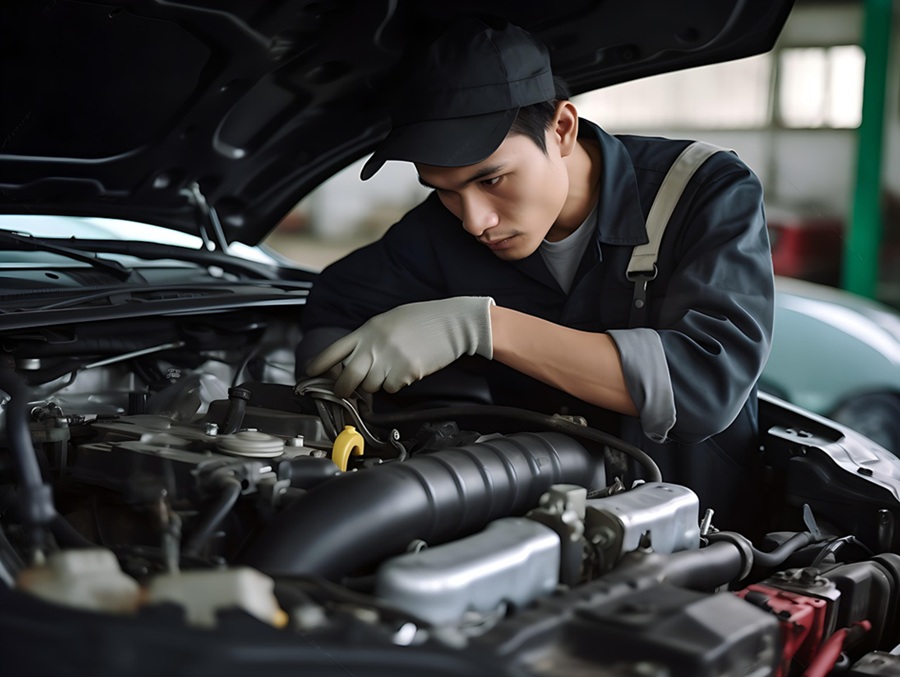
Automotive mechanics are the behind-the-scenes warriors that ensure the smooth running of our vehicles. The intense rhythm of life today demands our cars to be reliable, and when something goes wrong, it’s the mechanic who saves our day. But the job of a mechanic goes beyond just “fixing” – it involves understanding intricate automobile engineering, adhering to safety standards, keeping up with the latest technology, and having the ability to problem solve efficiently.
Certainly, it’s a profession that goes above and beyond the rudimentary aspect of car repair. It’s about rescuing motorists in their hour of need, about the thrill of diagnosing mechanical puzzles, it’s also about the mechanical ballet that goes into reviving an automobile. With this post, we aim to celebrate the craft of auto mechanics, dive deeper into their world and debunk the one-dimensional perception many have towards this vocation.
A Peek Into The Lives Of Professional Mechanics
Visiting a car workshop presents us with a familiar scene – mechanics covered from head to toe in overalls, with hands brandishing tools and brains churning to diagnose vehicle problems. But let’s go past this surface-level imagery and understand what it truly means to be an automotive mechanic.
To begin with, mechanics have an inherent love for cars – not just in the way they look or run, but in the science and engineering that power them. This passion often fuels their choice of career, nurturing a drive to master the complexities involved in handling different kinds of vehicles – from classic models to luxury cars and hybrid technologies.
However, being a mechanic is not just about tasks. It involves understanding a vehicle from the inside out, knowing how to use technological diagnostic tools, fiercely adhering to safety standards, curing mechanical problems, and in many instances, giving cars a second chance at life.
Roles And Responsibilities: What Does A Mechanic Do?
The roles and responsibilities of an automotive mechanic are far from monotonous. They are much more than guardians of car health and have a multitude of duties that stretch beyond the curtain of general perception.
Mechanics are skilled technicians who have a mastery over a vehicle’s every nook and cranny. On any given day, they can be performing routine maintenance like oil changes, changing worn out parts or recalibrating brakes. But that’s just one side of the story. Let’s dive into the ocean of their responsibilities.
Mechanics also double up as diagnosticians, who outsmart on-board computers to pin-point problems in a vehicle’s system. They’re responsible for quarterly or annual vehicle inspections, ensuring that they meet safety and emission control standards. They are also the wizards who restore your car after an accident, managing bodywork repairs, sourcing parts, and juggling between front-desk and workshop operations.
Moreover, in a world where customer service is king, mechanics have to communicate effectively with clients, explaining complex technical issues in a way that even the least car-savvy person can understand. Usually, this communication results in better service, customer satisfaction, and repeated business.
Specialization In The Mechanic World
Just like doctors, mechanics can specialize in certain car types or specific parts of a vehicle. These specialization areas, such as diesel services, electrical systems, or performance tuning, present different roles and tasks.
Diesel mechanics, for example, work exclusively on diesel-powered vehicles. Their roles often extend to heavy vehicle work, involving buses, trucks, and other heavy-duty vehicles. It’s a niche that requires specialized training in diesel fuel systems, engines and components, and, therefore, is in constant high demand.
Mechanical electricians, on the other hand, specialize in the electrical aspects of the vehicles – maintaining and repairing wiring, circuits, fuses, sensors, and computer systems in modern vehicles. With the rise in hybrid and electric vehicles, this niche will grow significantly, generating newer roles and job possibilities.
Finally, performance-tuning mechanics focus on enhancing a car’s performance. Think of them as the fitness trainers for your car, ensuring the horsepower is maxed out and the engine is seamlessly delivering peak performance. Their work majorly involves modification of engines, tuning carburettor performance, adjusting suspension systems, and more.
Final Takeaway: Dispelling Your Mechanic Myths
The mechanic profession is indispensable to our modern lifestyle. While it’s easy to overlook their contributions, it’s the mechanics who keep our lives moving smoothly – quite literally!
This post has been an attempt to break down the one-dimensional presentation of mechanics. Beyond the overalls and the workshop grease, a mechanic is a blend of technician, engineer, systems analyst, and customer relations guru. It is a profession not just of skill, but also that requires intellectual mettle and a deep passion for machines.