Understanding The Importance Of Regular Car Service
Every weekend you lovingly wash and polish your car, ensuring the exterior shines bright like a diamond. You take a step back, gaze upon the gleaming magnificence and experience ultimate satisfaction. But, isn’t there more to a car’s health than spick-and-span exteriors? We assume everything is running smoothly just because the surface is spotless and gleaming. But is this notion correct?
Peeling back the silver-glossy layer, under the hood, lies the beating heart of your vehicle – the engine along its companion parts, carrying out innumerable functions to keep your smooth ride going on for miles and years. The spark plugs fire in rhythmic symphony, the transmission gears shift seamlessly, and the brake pads deftly bring your car to a halt when needed. But are we doing enough to keep them functioning optimally?
Many of us might think of car service as once-in-a-blue-moon chore, but this perspective needs a sharp turn. This post will delve into why regular car servicing is not just important, but indispensable, examining what components need attention, when should you consider getting them serviced, who should be doing it and exploring the pros and cons of such a regimen.
Why Regular Car Servicing Is Essential
Cars, like any other gadgets, require regular check-ups to function optimally. Neglecting regular services can lead to significant wear and tear, subsequently causing preventable damage. Car servicing includes tasks like oil and filter changes, brake alignment, tyre adjustment, and engine check-up, ensuring every sweat drop of your vehicle remains in top-notch condition.
Moreover, essential parts like air filters, spark plugs, and timing belts are in constant use whenever the car is running. These, over time, depreciate and require replacing, done best through regular services. Car servicing also improves fuel economy by detecting potential issues early, saving your pocket from hefty damage and contributing towards a greener planet.
Lastly, imagine breaking down in the middle of nowhere, all just because you overlooked the warning signs your vehicle had been showing. Irregular or skipped servicing can lead to such terrifying scenarios, impacting not just your schedule but also your safety.
What Key Components Need Regular Servicing
While all parts need attention and care, there are key components that require routine check-ups. These typically include engine oil and filter, brake system, power steering fluid, coolant, battery, transmission, and tyres. Additionally, windshield wipers, air filters, belts, hoses, and lights to play a crucial role in ensuring a smooth ride and need regular car service too.
These parts work tirelessly behind the scenes, performing crucial roles in the vehicle’s operation. Ignoring them for long can lead to poor performance, breakdowns, and expensive repair bills. Your vehicle’s manual often provides recommended intervals for their servicing, but experts can give personalised advice based on your usage.
When Should Car Servicing Be Scheduled
In general, experts recommend servicing a car every 12,000 miles or 12 months, whichever comes first. However, this vastly depends on the type of vehicle, its age, make, model, and your driving style. High mileage drivers or those frequently encountering rough roads may need more frequent services.
Modern cars come with in-built service reminders, which intimate you when it’s time for a check-up. However, it’s worth closely monitoring your vehicle for any unusual noises, performance drops, or warning lights. Any such signs should be immediately addressed to the professional eyes.
Who Should Be Doing The Car Service
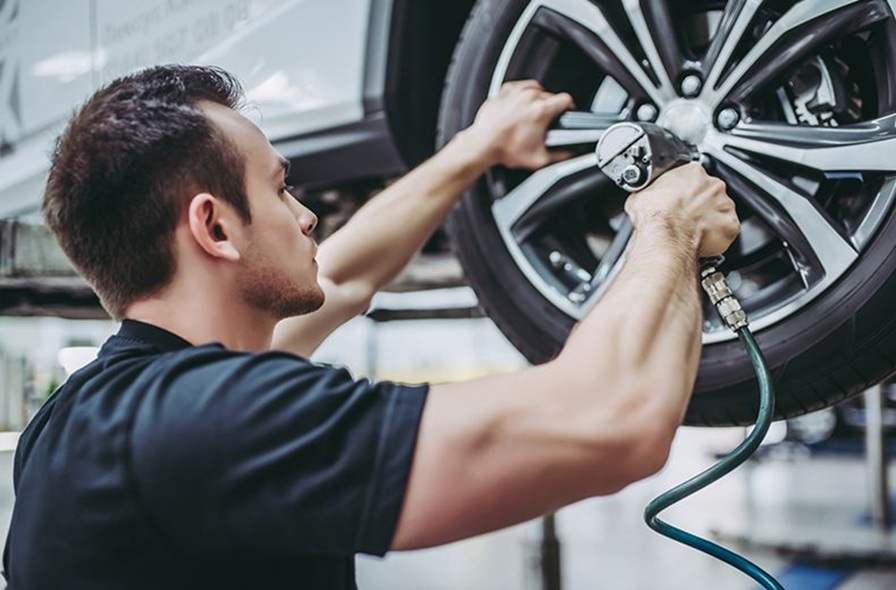
Trusted and professional mechanics should be performing car service. While DIY servicing may seem tempting, it lacks the skills and tools needed for comprehensive servicing. The mechanic’s trained eyes can spot potential problems, which often go unnoticed by unskilled hands.
Choose a service centre that’s reliable, has good reviews, and possesses skilled workmanship. Certified centres ensure quality service, using genuine spare parts, maintaining your vehicle’s efficiency and value.
Pros And Cons Of Regular Car Servicing
Like any regimen, regular car servicing has its pros and cons. The advantages are immense- extending your car’s life, improving performance, enhancing safety, boosting resale value. Additionally, it saves you from more substantial repair costs, fuel inefficiency and those stressful surprise breakdowns.
On the flip side, regular servicing does require time and commitment. Finding a trustworthy service centre is another daunting task. Plus, it brings with it an ongoing expense, which, though usually low, does add up over time.
Conclusion
Regular car service is like health insurance for your vehicle. It might seem like an added expense on the surface, but the unseen value it offers is immense. From maintaining optimal performance to preventing more significant repair costs and stressful breakdowns, it ensures your companion on roads stays fit.
While it does require time, money and the right servicing centre, the benefits it provides far outweighs these hindrances. So, here’s to redefining car care, moving beyond shiny surfaces and giving our vehicles the much-needed nourishment they deserve. After all, it’s not just a car, it’s a rolling testament to your life’s journey, worth looking after every mile of the way.