Top 10 Workwear Essentials for Outdoor Jobs
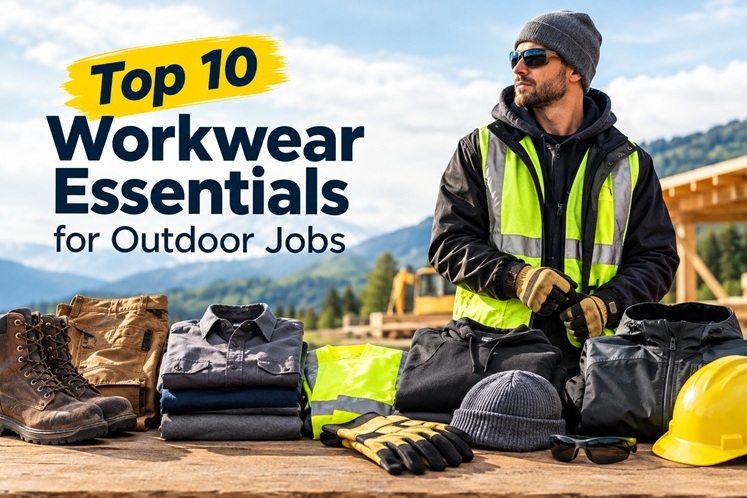
Outdoor jobs demand more from workwear than a typical indoor workplace. Construction workers, landscapers, utility crews, maintenance teams, agricultural workers, warehouse staff, and other outdoor professionals regularly deal with changing weather, physical movement, dirt, moisture, and long working hours. The right workwear helps workers stay comfortable, protected, and ready to perform their tasks throughout the day.
Choosing outdoor workwear is not simply about buying the heaviest or most durable clothing available. Different jobs require different levels of protection, breathability, visibility, flexibility, and weather resistance. A landscaping crew working in summer needs different clothing from a construction team working through a Canadian winter. Understanding these differences makes it easier to build a practical workwear collection.
Here are 10 essential workwear items worth considering for outdoor jobs.
1. Durable Work Shirts
A dependable work shirt is one of the most useful pieces of outdoor workwear. It should be comfortable enough for extended wear while being durable enough to handle regular washing, movement, and demanding job conditions.
Cotton work shirts are popular because they are comfortable and breathable. Cotton-polyester blends can offer a useful balance between comfort, durability, and easier maintenance. For warmer environments, lightweight shirts can help workers stay comfortable without restricting movement.
Long-sleeve work shirts are particularly useful for outdoor workers because they provide additional coverage from sun exposure, dust, minor scrapes, and changing temperatures. Some work shirts also include chest pockets, which provide convenient storage for small tools or personal items.
For teams, matching work shirts can also create a consistent professional appearance while making employees easier to identify on a job site.
2. Work Pants
Work pants need to withstand movement, kneeling, climbing, bending, and repeated contact with rough surfaces. Regular casual trousers often wear out quickly when used for demanding outdoor work.
Look for work pants made from durable fabrics with reinforced areas where possible. Features such as utility pockets, hammer loops, tool pockets, and reinforced knees can make a significant difference for workers who carry equipment throughout the day.
Cargo-style work pants are especially useful for jobs where workers need quick access to small tools or supplies. Stretch materials can also provide additional flexibility for physically demanding tasks.
The best work pants should provide enough room to move without being excessively loose. A comfortable fit reduces distractions and allows workers to focus on their jobs.
3. Work Jackets
Weather can change quickly during an outdoor shift, making a reliable work jacket an important part of any workwear collection. A good jacket can provide protection from wind, rain, cold temperatures, and other outdoor conditions.
For mild weather, lightweight jackets or windbreakers may be sufficient. During colder months, insulated work jackets can provide additional warmth. Water-resistant or waterproof outer layers are useful for workers who spend long periods outside in wet conditions.
Durability is another important consideration. Work jackets should be able to handle regular movement and contact with equipment without becoming damaged easily.
Features such as adjustable cuffs, secure pockets, full-length zippers, and protective collars can add practical value. Choosing the right jacket based on the local climate is more important than simply choosing the thickest option.
4. High-Visibility Apparel
Visibility is particularly important for outdoor workers who operate near roads, vehicles, heavy machinery, or busy construction areas. High-visibility workwear can help workers stand out from their surroundings.
High-visibility vests, jackets, shirts, and other garments are commonly available in bright colors with reflective elements. The appropriate garment depends on the work environment and applicable workplace safety requirements.
For workers who operate during low-light conditions, reflective details can be especially useful. A high-visibility vest can also be worn over other layers, making it convenient when weather conditions change throughout the day.
Employers should select high-visibility clothing based on the specific requirements of their worksite and relevant safety standards rather than treating it simply as a fashion choice.
5. Work Hoodies and Sweatshirts
Outdoor work does not always require a heavy winter jacket. During cool mornings, evenings, and transitional seasons, a work hoodie or sweatshirt can provide a comfortable middle layer.
Sweatshirts are easy to layer over work shirts and under heavier jackets when temperatures drop. Fleece-lined options can provide additional warmth, while lighter cotton or cotton-blend styles work well in moderate conditions.
A good work hoodie should allow workers to move their arms comfortably. It should also be durable enough for regular use and washing.
For businesses, branded hoodies can serve another purpose by creating a consistent team appearance. Adding a company logo can make employees easier to recognize while providing useful promotional visibility.
6. Protective Footwear
Clothing is only one part of outdoor workwear. The right footwear is equally important. Workers may spend several hours standing, walking over uneven ground, climbing ladders, or working around equipment.
Work boots should be selected according to the hazards of the specific job. Depending on the workplace, features may include toe protection, slip resistance, waterproof construction, electrical hazard protection, or durable outsoles.
Comfort matters too. Boots that cause discomfort during a long shift can affect a worker’s ability to perform their tasks comfortably. Proper sizing and suitable support are therefore important considerations.
Outdoor workers should also consider the conditions where they work. Waterproof boots may be useful in wet environments, while breathable footwear may be preferable in hot conditions.
7. Base Layers
Base layers are often overlooked, but they can make outdoor work much more comfortable. They sit directly against the skin and help manage temperature and moisture.
During cold weather, thermal base layers can provide additional warmth without requiring excessively bulky outer clothing. In warmer conditions, moisture-managing fabrics can help move perspiration away from the skin.
The advantage of layering is flexibility. Workers can add or remove layers as temperatures change throughout the day. This is particularly useful for jobs that start early in the morning and continue into warmer afternoon conditions.
A practical layering system may include a base layer, work shirt or sweatshirt, and an outer jacket. This approach provides greater control over comfort than relying on one heavy garment.
8. Work Gloves
Hands are involved in almost every outdoor job, making work gloves an essential part of protective workwear. However, there is no single glove that works for every task.
General-purpose work gloves can provide protection during handling and routine maintenance. Cut-resistant gloves may be appropriate for tasks involving sharp materials, while insulated gloves can help in cold environments. Waterproof options may be useful for wet conditions.
Workers should choose gloves based on the actual hazards and tasks involved. Gloves that are too thick may reduce dexterity, while gloves that are too light may not provide adequate protection.
Proper fit is also important. Gloves should allow workers to grip tools securely without being excessively tight or loose.
9. Weather-Resistant Rain Gear
Rain can quickly turn an otherwise manageable workday into an uncomfortable one. Outdoor workers should have suitable rain gear available when their jobs require them to work in wet conditions.
A rain jacket can provide an outer barrier against precipitation, while waterproof pants can offer additional protection when working outdoors for extended periods.
Breathability is worth considering when selecting rain gear. A garment that keeps rain out but traps excessive heat and moisture inside can become uncomfortable during physical work.
Rain gear should also allow enough freedom of movement for the job. Workers who need to climb, bend, carry materials, or operate tools should avoid garments that restrict movement.
Keeping rain gear readily accessible can help workers respond quickly when weather conditions change.
10. Durable Accessories
Small workwear accessories can make a surprisingly large difference during an outdoor shift. Depending on the job, useful accessories may include work belts, caps, beanies, safety glasses, sun protection, tool pouches, and other practical items.
A work belt can keep frequently used tools within easy reach. Caps can provide shade during sunny conditions, while warm hats or beanies can help workers stay comfortable during colder weather.
Sun protection is particularly important for people who spend most of their working day outside. Clothing that provides adequate coverage, combined with other appropriate protective measures, can make long outdoor shifts more manageable.
Accessories should be selected according to the job rather than simply added for convenience. Workers should prioritize equipment that addresses actual workplace conditions and hazards.
Building a Practical Outdoor Workwear System
Buying individual workwear pieces is useful, but thinking about the complete clothing system can make outdoor workwear much more effective. Workers may need different combinations depending on the season, job, and weather.
For example, a summer workwear setup might include a lightweight work shirt, durable work pants, breathable footwear, work gloves, and sun-protective accessories. A winter setup could include a thermal base layer, work shirt, insulated sweatshirt, winter jacket, durable pants, gloves, and appropriate boots.
Layering is particularly useful because outdoor conditions can change throughout a single shift. Instead of relying on one garment to provide everything, workers can combine several practical layers.
Businesses should also consider how frequently workwear will be washed and replaced. Durable, easy-care materials can be valuable for teams that wear the same garments regularly. For larger crews, ordering consistent workwear can simplify outfitting employees and create a more professional appearance.
Choosing Workwear for Different Outdoor Jobs
The ideal workwear combination depends heavily on the type of outdoor work being performed.
Construction workers may require durable pants, high-visibility apparel, protective footwear, gloves, and weather-resistant outerwear.
Landscaping professionals may prioritize breathable shirts, durable pants, gloves, boots, and sun protection.
Utility workers may need high-visibility clothing, weather-resistant layers, durable footwear, and task-specific protective equipment.
Agricultural workers may benefit from breathable clothing during warm seasons and insulated layers during colder weather.
Maintenance crews often need versatile work shirts, durable pants, practical footwear, gloves, and jackets that can handle changing conditions.
There is no universal workwear setup. The right choices should reflect the hazards, weather, physical demands, and safety requirements of each workplace.
Final Thoughts
Outdoor jobs can expose workers to demanding conditions, from intense sunlight and rain to cold temperatures, rough surfaces, and physically demanding tasks. Having the right workwear can make these conditions easier to manage while supporting comfort, mobility, and appropriate workplace protection.
The 10 essentials include durable work shirts, work pants, jackets, high-visibility apparel, hoodies and sweatshirts, protective footwear, base layers, work gloves, rain gear, and practical accessories. Rather than choosing workwear based solely on appearance, consider the job, climate, required protection, durability, and comfort.
A well-planned workwear collection gives outdoor workers flexible options throughout the year. With the right combination of layers and job-specific clothing, workers can stay prepared for changing conditions and focus on getting the job done.
About the Author
Amanda is a hard working Professional with a degree in Business Management. Apart from her daily job, she loves working in the Fashion Industry. She has been working with WorkGear.ca for some time now. Amanda Keeps up with the fashion trends and loves fashion blogging and makes sure that her lifestyle reflects the same.