Why Inflatable Stand Up Paddle Boards Are Ideal for Beginners
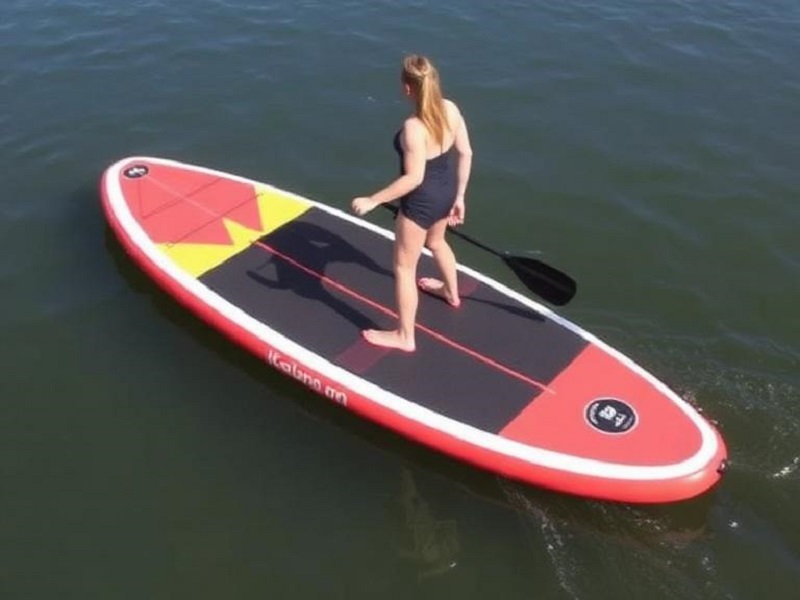
Have you ever watched someone glide gracefully across the water on a paddle board and thought, “I’d love to give that a go”? Perhaps you’ve been curious about stand up paddle boarding but felt overwhelmed by all the equipment options out there? Or maybe you’re wondering whether you need to be super fit or coordinated to even attempt this water sport?
Here’s the good news: standup paddleboarding (SUP) is one of the most accessible water activities you can try, regardless of your fitness level or experience. It’s brilliant for getting outdoors, enjoying Australia’s stunning coastlines and waterways, and sneaking in a full-body workout without it feeling like hard work. The sport has exploded in popularity over the past decade, and there’s a good reason for that—it’s genuinely fun and surprisingly easy to pick up.
In this article, we’ll explore why inflatable stand up paddle boards are the perfect choice for beginners. We’ll break down what makes them different from hard boards, examine their benefits for new paddlers, and help you understand how to choose the right one. Whether you’re planning to paddle on calm lakes or venture out to Australian beaches, you’ll find everything you need to know to get started confidently.
What Is an Inflatable Stand Up Paddle Board?
How Inflatable SUPs Differ from Hard Boards
An inflatable SUP is exactly what it sounds like—a paddle board that you inflate before use and deflate afterwards for storage. Unlike traditional hard boards made from fibreglass or epoxy, these boards roll up into a compact backpack when deflated. This makes them incredibly practical for anyone who doesn’t have a roof rack or masses of storage space at home.
Hard boards offer a rigid, solid surface that sits directly on the water. Inflatable boards, when properly pumped up to the recommended PSI (usually around 12-15 PSI), become remarkably firm and perform surprisingly similarly to their rigid counterparts. The technology has improved dramatically over recent years, and modern inflatables are nothing like the flimsy beach toys you might be imagining.
What Are Inflatable Paddle Boards Made Of?
Quality inflatable SUPs use military-grade PVC and drop-stitch construction. Thousands of tiny threads connect the top and bottom layers of the board, allowing it to hold its shape under pressure. This construction method creates an incredibly strong, durable surface that can handle bumps, scrapes, and the occasional collision with rocks or jetties.
The outer layer typically features multiple coatings of PVC for added protection against UV damage and abrasion. This means your board can withstand Australia’s harsh sun and still perform well season after season.
Why Are Inflatable Paddle Boards Better for Beginners?
Enhanced Stability and Balance
One of the biggest challenges for new paddlers is finding their balance. Inflatable SUPs tend to be wider and thicker than many hard boards, providing a more stable platform. This extra stability gives beginners confidence to stand up, find their centre of gravity, and start paddling without constantly worrying about toppling into the water.
The slightly softer surface of an inflatable board also absorbs small movements and wobbles better than a rigid board. This forgiving nature makes the learning curve much gentler and allows you to focus on technique rather than simply staying upright.
Softer Surface for Safer Falls
Let’s be honest—you’re going to fall off. Everyone does when they’re learning, and that’s perfectly normal. The beauty of inflatable boards is that they’re far more forgiving when you do take a tumble. Landing on or against an inflatable SUP is much less painful than crashing into a hard fibreglass board.
This softer surface also makes getting back on the board easier and less intimidating. You won’t be dreading falls, which means you’ll be more willing to push yourself and try new things.
Easier to Transport and Store
Perhaps the most practical advantage is portability. An inflatable SUP rolls up into a backpack that fits in your car boot, under your bed, or in a cupboard. You don’t need a trailer, roof rack, or garage full of equipment. Simply inflate it at the water’s edge using the included pump, and you’re ready to go.
This convenience means you’re more likely to actually use your board. When getting to the water is straightforward, you’ll find yourself paddling more often.
Are Inflatable SUPs as Good as Hard Boards?
Performance Comparison for New Paddlers
For beginners, the performance difference between inflatable and hard boards is negligible. You won’t notice any disadvantage while you’re learning basic paddling techniques, turning, and building confidence on the water. Inflatable boards track well, glide smoothly, and respond predictably to paddle strokes.
Advanced paddlers doing racing or surfing might prefer hard boards for their slightly better speed and responsiveness. However, for recreational paddling, fitness sessions, and casual exploring, inflatable SUPs perform brilliantly.
Durability and Longevity
Many people assume inflatable boards are fragile, but they’re actually incredibly resilient. Quality boards can handle being dragged across sand, bumping into rocks, and general rough treatment. They’re often more resistant to damage than hard boards, which can chip, crack, or ding from impacts.
With proper care, an inflatable SUP can last five to ten years or even longer. That’s excellent value for your investment.
How Do I Choose the Right Inflatable SUP as a Beginner?
Board Size and Weight Capacity
Choosing the correct size board is crucial for your paddling experience. As a general rule, longer boards (10’6″ to 11’6″) offer better stability and tracking for beginners. Make sure the board’s weight capacity exceeds your body weight by at least 50 pounds to ensure optimal performance and stability.
Consider what you’ll be using the board for. All-round boards are perfect for beginners as they handle various conditions well.
Board Width and Thickness
Width significantly affects stability. Boards between 32″ and 34″ wide provide excellent stability for learning. Thickness matters too—6″ thick boards offer better rigidity and weight capacity than 4″ or 5″ options.
Best Inflatable Paddle Boards for Beginners in Australia
Look for boards from reputable brands that include a quality pump, paddle, leash, and carry bag. Many Australian retailers offer packages specifically designed for beginners, providing everything needed to get started.
Can You Use an Inflatable Paddle Board in the Ocean?
Flat Water vs Ocean Conditions
Inflatable SUPs work wonderfully on flat water—lakes, rivers, and calm bays are ideal for beginners. Ocean paddling is absolutely possible but requires more skill and awareness of conditions.
Tips for Paddling at Australian Beaches
Start on calm days and choose sheltered spots. Always wear a leash, check conditions before heading out, and stay within your skill level. Australia’s beaches can be unpredictable, so build experience gradually.
How Long Do Inflatable Paddle Boards Last?
Caring for Your Inflatable SUP
Rinse your board with fresh water after ocean use, store it away from direct sunlight when deflated, and avoid over-inflating. These simple steps significantly extend your board’s lifespan.
Common Mistakes That Reduce Lifespan
Leaving your board inflated in hot sun, dragging it across rough surfaces, and storing it damp all cause premature wear. A little care goes a long way.
What Accessories Do Beginners Need for Paddle Boarding?
Essential accessories include a quality paddle, safety leash, personal flotation device, and pump. Consider adding a waterproof phone case, deck bag, and sun protection. Most beginner packages include the basics.
How Much Should a Beginner Spend on an Inflatable SUP?
Budget-Friendly Options Worth Considering
Quality beginner boards range from $400 to $800 AUD. Avoid the cheapest options, as they often use inferior materials that affect performance and durability.
When to Invest in a Premium Board
Once you’re paddling regularly and know what style suits you, upgrading to a premium board makes sense. For your first board, mid-range options offer excellent value.
Getting Started: Your First Paddle Boarding Session
Begin on calm, shallow water. Start by kneeling to get comfortable, then gradually stand up when you feel ready. Keep your gaze forward, knees slightly bent, and paddle with your core rather than just your arms. Relax, have fun, and don’t worry about looking graceful—that comes with practice!
Conclusion: Why an Inflatable SUP Is Your Best First Board
Inflatable stand up paddle boards tick every box for beginners. They’re stable, forgiving, portable, and durable—everything you need when starting your paddling journey. The convenience of being able to store your board in a cupboard and transport it in your car boot removes so many barriers to getting out on the water.
For Australian paddlers especially, inflatables make perfect sense. Our lifestyle often involves travelling to different spots, and the ability to easily take your board anywhere opens up countless opportunities for adventure. From Queensland’s stunning coastline to Victoria’s serene lakes, your inflatable SUP can come along wherever you go.
So if you’ve been thinking about trying stand up paddle boarding, an inflatable board is absolutely your best starting point. It’s an investment in countless hours of enjoyment, fitness, and connection with Australia’s beautiful waterways. Grab a board, find some calm water, and discover why so many people have fallen in love with this brilliant sport. You won’t regret it!