Why More People Are Choosing Tattoo Removal in Richmond?
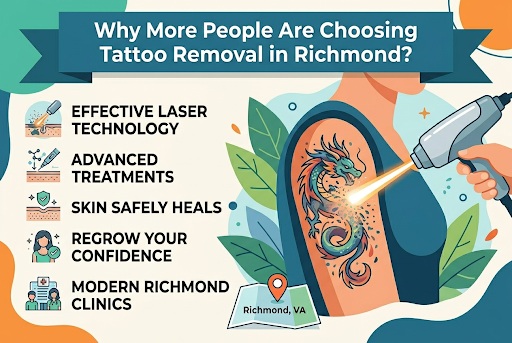
Have you ever looked at an old tattoo and wondered what you were thinking? Perhaps that tribal design from your twenties doesn’t quite fit your corporate lifestyle anymore? Or maybe that ex’s name seemed like a brilliant idea at the time, but now makes you cringe every time you catch a glimpse of it?
You’re definitely not alone. Across Richmond, more people than ever are walking into clinics to say goodbye to their ink. What was once considered permanent is now becoming a fresh start for thousands of Australians. The tattoo removal industry has exploded in recent years, and Richmond has become a hotspot for those looking to make a change.
In this guide, we’ll explore why so many people are opting for tattoo removal, how the technology actually works, and what you can expect from the process. We’ll also break down costs, pain levels, and how to find the right clinic for your needs. Whether you’re seriously considering removal or just curious about the process, you’ll walk away with everything you need to make an informed decision.
Why Are So Many People Getting Their Tattoos Removed?
Career and Professional Reasons
Let’s be honest—visible tattoos can still raise eyebrows in certain industries. Many professionals find that their ink doesn’t quite align with their career goals anymore. Corporate environments, healthcare settings, and client-facing roles often have strict policies about visible body art.
It’s not about judging anyone’s choices. It’s simply about keeping options open. A tattoo that felt rebellious at 19 might be holding you back from that promotion at 35. Many Richmond professionals are choosing to remove visible tattoos to present a more polished image in the workplace.
Relationship Changes and Personal Growth
Names, initials, matching tattoos—they all seemed romantic at the time. But relationships end, and those permanent reminders can become daily sources of frustration. Beyond romantic relationships, we simply grow as people. The butterfly you loved at 18 might not represent who you are at 40.
Personal growth is a beautiful thing, and sometimes our tattoos just don’t grow with us. Many people view removal as a form of self-care, releasing connections to past versions of themselves.
Faded or Poorly Done Tattoos
Not all tattoos age gracefully. Sun exposure, poor aftercare, or simply choosing an inexperienced artist can leave you with blurry, faded, or just plain bad ink. Rather than covering up with another tattoo, many people prefer starting with a clean slate.
Making Room for New Artwork
Here’s an interesting twist—some people remove old tattoos specifically to make space for new ones. Perhaps you’ve found a talented artist whose style you love, but your existing ink is taking up prime real estate. Removal allows you to plan that sleeve you’ve always wanted without working around outdated designs
How Does Laser Tattoo Removal Actually Work?
Understanding the Science Behind Laser Technology
Modern laser removal might seem like magic, but there’s solid science behind it. The laser emits extremely short pulses of light energy that penetrate the skin and target the tattoo ink. This energy breaks down the ink particles into tiny fragments.
Once broken down, your body’s immune system kicks in. White blood cells gradually flush these fragments away through your lymphatic system. It’s essentially your body doing the heavy lifting after the laser does the initial work. Pretty clever, right?
What Happens During a Treatment Session?
During a typical session, the practitioner will clean the area and may apply a numbing cream. They’ll adjust the laser settings based on your skin type, tattoo colours, and ink depth. Then they’ll pass the laser over your tattoo, delivering precise pulses of light.
Sessions usually last between 10 and 30 minutes, depending on your tattoo’s size. You’ll notice the skin turning white immediately after treatment—this is completely normal and indicates the ink is breaking up. Most people describe the whole process as surprisingly quick.
Is Tattoo Removal Painful?
What Does Tattoo Removal Feel Like?
Let’s not sugarcoat it—laser removal isn’t exactly comfortable. Most people compare it to having a rubber band snapped against the skin repeatedly, or bacon grease splattering on you. It’s sharp and intense, but each pulse only lasts a fraction of a second.
The good news? Each session is relatively brief. Most people find the discomfort manageable, especially knowing it’s temporary. Pain tolerance varies significantly between individuals, and certain body areas are more sensitive than others.
Pain Management Options Available in Richmond
Richmond clinics offer various options to keep you comfortable. Topical numbing creams applied before treatment are standard practice. Some clinics also use cooling devices during the procedure to reduce discomfort.
For particularly large or sensitive tattoos, some practitioners may offer injectable anaesthetic. Don’t hesitate to discuss pain management with your chosen clinic—they want you to have the best possible experience.
How Many Sessions Does Tattoo Removal Take?
Factors That Affect the Number of Sessions
There’s no one-size-fits-all answer here. Several factors influence your treatment timeline:
- Ink colours: Black ink responds best, while greens and blues can be stubborn
- Tattoo age: Older tattoos often fade faster
- Ink quality: Professional tattoos typically need more sessions than amateur ones
- Skin tone: Lighter skin usually responds more quickly
- Tattoo location: Areas with good blood circulation heal faster
- Your immune system: A healthy body processes ink more efficiently
What to Expect from Your Treatment Timeline?
Most tattoos require between 6 and 12 sessions for complete removal. Sessions are typically spaced 6 to 8 weeks apart to allow proper healing. This means full removal can take anywhere from 9 months to 2 years.
Patience is genuinely key here. Rushing the process can damage your skin and lead to scarring. Trust the timeline your practitioner recommends.
Can All Tattoo Colours Be Removed?
Which Ink Colours Are Easiest to Remove?
Black and dark blue inks respond best to laser treatment. These colours absorb light energy most effectively, breaking down quickly with standard laser wavelengths. Red and orange inks also respond reasonably well.
Dealing with Stubborn or Multicoloured Tattoos
Green, yellow, and turquoise inks can be challenging. They require specific laser wavelengths and often need additional sessions. White ink and light pastels may not respond to laser treatment at all.
Modern clinics use multi-wavelength lasers to tackle different colours. If you have a multicoloured piece, ensure your chosen clinic has the appropriate technology to address all your ink colours effectively.
What Should You Look for in a Tattoo Removal Clinic?
Qualifications and Experience
Always check your practitioner’s qualifications. Look for registered nurses, dermatologists, or trained laser technicians with specific tattoo removal experience. Don’t be shy about asking how many procedures they’ve performed.
Technology and Equipment Standards
Not all lasers are created equal. Q-switched and picosecond lasers are current gold standards. Ask about the equipment used and whether it’s appropriate for your skin type and tattoo colours.
Client Reviews and Before-and-After Results
Research thoroughly. Read reviews on Google, Facebook, and industry-specific platforms. Request to see before-and-after photos of previous clients with similar tattoos to yours.
Aftercare and Recovery: What to Expect
How Long Does It Take to Heal Between Sessions?
Initial healing takes about 2 weeks, but complete recovery between sessions requires 6 to 8 weeks. You’ll experience some redness, swelling, and possibly blistering—all completely normal responses.
Essential Aftercare Tips for Best Results
Keep the area clean and moisturised. Avoid sun exposure and swimming pools during healing. Follow your practitioner’s specific instructions carefully to prevent scarring and ensure optimal results.
Is Tattoo Removal Right for You?
Tattoo removal Richmond has genuinely transformed how we think about body art. What once seemed permanent now offers flexibility and second chances. Whether you’re removing ink for career advancement, personal growth, or simply to make room for better artwork, the technology and expertise available in Richmond make it more accessible than ever.
The journey requires patience, investment, and commitment. But for many people, walking away with clear skin—or a fresh canvas—is worth every session. If you’ve been considering removal, book a consultation with a reputable Richmond clinic to discuss your options.