10 Tips for Building a Practical Team Apparel Kit
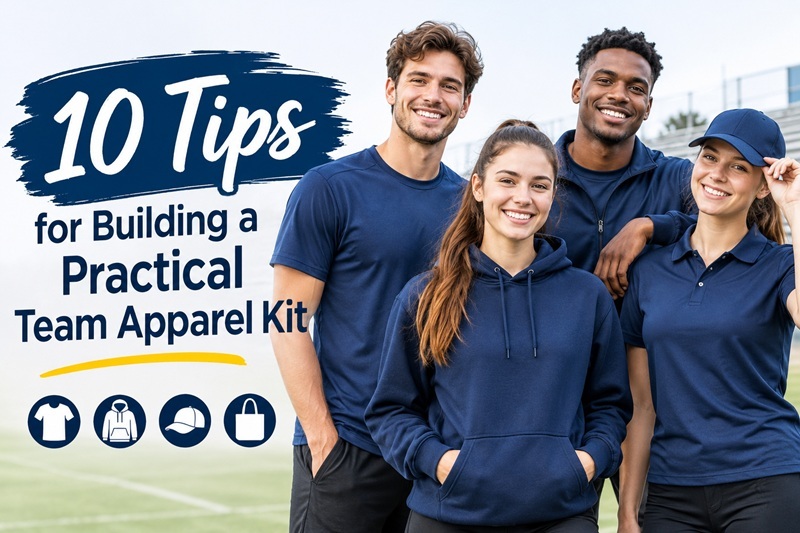
Building a team apparel kit is about more than choosing matching T-shirts or adding a logo to a hoodie. The right clothing helps team members feel comfortable, look organised, and represent their group. Whether you are buying for a sports team, school, fitness club, or business, it is important to choose apparel that people can use regularly.
A practical kit should include comfortable clothing for different activities and weather conditions. It should also consider different sizes, personal preferences, and budgets. Here are 10 useful tips to help you put together a team apparel kit that meets everyone’s needs.
1. Understand Your Team’s Requirements
Before selecting apparel, consider how the team will use it. Sports teams may need performance T-shirts, athletic shorts, and lightweight jackets, while school groups may prefer polo shirts and sweatshirts. Businesses might need branded T-shirts, hoodies, and casual clothing.
Make a list of regular activities, such as training, competitions, meetings, outdoor events, and team travel. This will help you identify the most useful products and avoid ordering items that may rarely be worn.
2. Start with Essential Clothing
You do not need dozens of products to build a useful apparel kit. Start with a few everyday essentials that team members can wear on different occasions.
Some good options include:
- T-shirts: Suitable for training, casual activities and everyday wear.
- Polo shirts: A good choice for meetings and organised events.
- Hoodies: Useful for cooler weather and travel.
- Sweatshirts: Comfortable for casual wear and layering.
- Athletic shorts: Practical for sports and workout sessions.
- Caps: Useful for outdoor activities and team branding.
You can add more products later as the team’s requirements change.
3. Choose Comfortable Materials
Comfort should be a priority when selecting training & teamwear. Cotton is a popular choice for everyday T-shirts because it feels soft against the skin. Cotton-polyester blends offer a balance of comfort and durability, while moisture-wicking polyester is useful for sports and training.
Consider how frequently each item will be worn. Clothing used for regular workouts should be lightweight, comfortable, and easy to wash. For casual activities, sweatshirts and cotton T-shirts can be practical choices.
Choosing suitable materials helps ensure that team members enjoy wearing their apparel.
4. Select Matching Team Colours
Consistent colours give a team a recognisable appearance. If your organisation already has official colours, use them as the starting point for the apparel collection.
Navy, black, grey, and white are versatile choices for T-shirts, hoodies, and polo shirts. You can also introduce brighter colours through logos or printed designs.
Try to keep the colour selection simple. Too many unrelated shades can make the collection look inconsistent. Consider how the colours will look after regular washing as well.
5. Offer Different Sizes and Fits
Every team member should have access to clothing that fits comfortably. Before placing a bulk order, collect size information and check the manufacturer’s size chart.
Sizing can vary between brands, so do not assume that a medium in one product will fit the same as a medium in another. If possible, arrange samples so members can check the fit before ordering.
Also consider different cuts and styles to accommodate individual preferences. Having a suitable range of sizes makes the collection more comfortable and inclusive.
6. Include Simple Team Branding
Adding a team name, organisation logo, or identifying design can make basic apparel look more personal. A small chest logo, printed team name, or embroidered design is often enough.
Consider the decoration method before selecting products. Screen printing works well for many T-shirts and sweatshirts, while embroidery is commonly used on polo shirts, caps, and jackets.
Keep designs simple and readable. If you are purchasing blank apparel for customisation, make sure the products are suitable for your preferred printing or embroidery method.
7. Plan for Different Weather Conditions
A useful apparel kit should work throughout the year. Lightweight T-shirts, athletic shorts, and breathable tops are suitable for warmer conditions. Hoodies, sweatshirts, jackets, and track pants are helpful when temperatures drop.
Layering is another practical option. Team members can wear a T-shirt underneath a hoodie or add a jacket when needed.
You do not have to order every item at once. Start with everyday essentials and introduce seasonal clothing when the need arises.
8. Check Quality and Durability
Team apparel is often worn and washed frequently, so product quality matters. Look at the stitching, seams, collars, cuffs, and overall construction before making a purchase.
Choose clothing that can handle regular use without quickly losing its shape or appearance. Easy-care products are also useful because team members may not have time for special washing instructions.
If you are unsure about a product, order a sample first. Checking its quality before placing a large order can help prevent unnecessary replacements.
9. Set a Budget and Plan Quantities
Decide how much you want to spend before selecting products. Divide the budget between essential clothing, additional items, accessories, and possible replacements.
Buying wholesale apparel can be a practical option for schools, sports clubs, businesses, and organisations ordering in larger quantities. Compare prices, product quality, and available sizes rather than choosing only the cheapest option.
It can also be helpful to order a few extra pieces of popular items. This makes it easier to accommodate new members or replace damaged clothing later.
10. Collect Feedback and Update the Kit
Once the apparel has been distributed, ask team members which products they find most useful. Their feedback can help you understand whether the clothing meets their expectations.
You may discover that T-shirts are used regularly but more hoodies are needed for outdoor activities. Another team might find polo shirts more useful for meetings and organised gatherings.
Keep a record of popular products, colours, and sizes. This will make future orders easier and help maintain a consistent appearance.
Final Thoughts
Building a practical team apparel kit starts with understanding what your members need. Focus on comfortable clothing, suitable materials, a good range of sizes, and products that can handle regular use.
Whether you are buying for a sports club, school, fitness group, or business, a combination of T-shirts, polo shirts, hoodies, athletic wear, and accessories can cover most everyday requirements.
The goal is not to purchase the largest collection but to choose useful apparel that offers comfort, durability, and value for everyone on the team.