Best Practices for Maintaining Your End Tippers
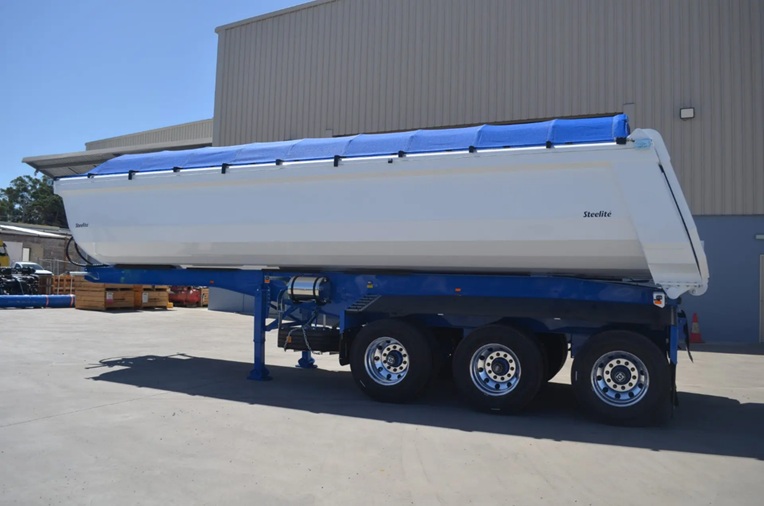
Are you getting the most out of your end tipper? Have you ever wondered why some operators seem to get years of reliable service from their equipment while others face constant breakdowns? What separates a well-maintained end tipper from one that’s constantly in the workshop?
If you’re running an end tipper in Australia, you already know these workhorses are essential for construction, mining, and agricultural operations across the country. From hauling aggregate in Queensland to shifting grain in rural Victoria, end tippers cop a serious beating day in, day out. The good news? With the right maintenance approach, your end tipper can deliver years of dependable service and hold its value when it’s time to upgrade.
In this guide, we’ll walk you through everything you need to know about keeping your end tippers in top shape. You’ll learn which components need the most attention, how often to service different systems, and what common problems to watch out for. We’ll also cover when it makes sense to repair versus looking at an end tipper for sale as a replacement. Whether you’re a seasoned operator or new to the industry, these best practices will help protect your investment and keep your operation running smoothly.
Understanding Your End Tipper: Key Components to Monitor
Before diving into maintenance schedules, it pays to understand what makes your end tipper tick. Knowing the critical components helps you spot potential issues before they become expensive problems.
Hydraulic Systems and Cylinders
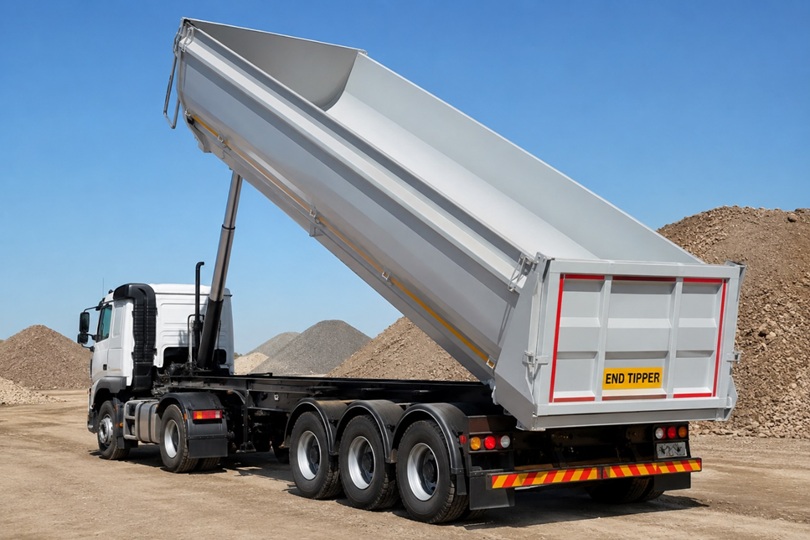
The hydraulic system is the heart of your end tipper’s tipping mechanism. This includes the hydraulic pump, cylinders, hoses, and fluid reservoir. These components work under immense pressure, so any weakness can lead to sudden failures. Keep an eye on cylinder seals, hose connections, and fluid levels. Even small leaks can signal bigger problems brewing.
Tipping Body and Chassis
Your tipping body takes a constant pounding from whatever you’re hauling. The chassis supports everything, so structural integrity is non-negotiable. Look for signs of stress, cracks around weld points, and any unusual bending or warping. The connection points between the body and chassis deserve special attention.
Tailgate Mechanisms and Seals
Tailgate seals prevent material spillage and protect the mechanism from debris. Worn seals lead to lost loads and increased wear on other components. Check the hinges, latches, and operating mechanisms regularly to make sure everything opens and closes smoothly.
How Often Should You Service an End Tipper?
Establishing a consistent maintenance schedule is crucial for keeping your end tipper reliable. Here’s a practical breakdown of what to check and when.
Daily Pre-Start Checks
Before firing up each day, take five minutes to walk around your end tipper. Check tyre pressures, look underneath for fresh leaks, and verify all lights work properly. Test the tipping mechanism briefly to confirm smooth operation. These quick checks catch problems early and keep you safe on the road.
Weekly Maintenance Tasks
Once a week, dig a bit deeper. Inspect hydraulic hose connections for wear or damage. Check all grease points and top up where needed. Examine the tailgate seals and hinges for wear. Look over the tipping body for new dents or damage that could weaken the structure over time.
Monthly and Quarterly Inspections
Monthly inspections should include a thorough check of hydraulic fluid levels and condition. Quarterly, you’ll want to inspect wear plates and liners, check electrical connections, and examine the chassis for any signs of stress or corrosion. Document everything—good records help you track trends and plan maintenance.
Essential Maintenance Practices for Longevity
Getting the details right makes all the difference. These maintenance practices will help extend your end tipper’s working life significantly.
Hydraulic Fluid Checks and Replacements
Hydraulic fluid degrades over time, losing its protective properties. Check fluid levels weekly and inspect the fluid colour—it should be clear, not milky or dark. Replace hydraulic fluid according to manufacturer recommendations, typically every 2,000 operating hours or annually, whichever comes first.
Greasing and Lubrication Points
Your end tippers has multiple grease points on hinges, pivot points, and the tipping mechanism. Use quality grease and apply it regularly—weekly for heavy use. Proper lubrication reduces friction, prevents premature wear, and keeps everything moving smoothly. Don’t skimp on this; it’s cheap insurance.
Inspecting Wear Plates and Liners
Wear plates protect the tipping body floor from abrasive materials. Inspect these regularly and replace them before they wear through to the body itself. The cost of new wear plates is nothing compared to repairing or replacing a damaged tipping body.
Checking Electrical Systems and Lights
Faulty lights mean roadworthy issues and safety risks. Check all indicators, brake lights, and work lights weekly. Inspect wiring for chafing or damage, particularly around moving parts. Clean connections periodically to prevent corrosion, especially in coastal areas.
What Are Common End Tipper Problems and How Do You Fix Them?
Even well-maintained end tippers encounter problems. Knowing what to look for helps you address issues quickly and cost-effectively.
Hydraulic Leaks and Failures
Hydraulic leaks are probably the most common issue. They usually start small—a weeping seal or dripping hose fitting. Fix these immediately; small leaks become big ones fast. For seal replacements, use quality parts from reputable suppliers. If cylinders are damaged, professional reconditioning often works better than cheap replacements.
Tailgate Seal Deterioration
Worn tailgate seals cause material spillage and can jam the tailgate mechanism. Replace seals at the first sign of significant wear. When fitting new seals, clean the mounting surfaces thoroughly and apply appropriate sealant where recommended.
Structural Cracks and Corrosion
Cracks typically appear around weld points and high-stress areas. Catch them early and have them properly repaired by qualified welders. For corrosion, prevention beats cure—keep your tipper clean, address paint damage promptly, and consider protective coatings for harsh environments.
Tipping Mechanism Malfunctions
If your tipping mechanism is sluggish or uneven, start by checking hydraulic fluid levels and filter condition. Inspect the pump and cylinders for wear. Sometimes the fix is as simple as replacing a worn hose; other times, you might need professional diagnosis.
Seasonal Maintenance Considerations for Australian Conditions
Australia throws some unique challenges at end tipper operators. Adapting your maintenance approach to seasonal conditions helps keep your equipment reliable year-round.
Preparing for Wet Season Operations
Before the wet season hits, check all seals and weatherproofing. Inspect electrical connections and apply dielectric grease to prevent corrosion. Make sure drainage holes in the tipping body are clear. Consider applying rust preventative to exposed metal surfaces, and keep your tipper clean to prevent mud buildup that traps moisture.
Managing Dust and Heat in Dry Climates
Dust is brutal on hydraulic systems and electrical components. During dry, dusty conditions, increase the frequency of air filter checks and replacements. Inspect hydraulic breathers regularly—clogged breathers cause pressure problems. Keep an eye on cooling systems too; overheating accelerates wear on seals and fluids.
When to Repair vs When to Buy an End Tipper for Sale
At some point, every operator faces this decision: keep repairing or start shopping for an end tipper for sale? Here’s how to think it through.
Consider replacement when:
– Repair costs exceed 50% of the equipment’s current value
– Downtime from frequent breakdowns is hurting your business
– The chassis or tipping body has significant structural damage
– Finding parts becomes difficult or expensive
On the flip side, repair makes sense when issues are isolated and parts are readily available. A well-maintained older tipper with a solid chassis often has plenty of life left in it.
Choosing Quality End Tippers: What to Look for When Buying
If you’re in the market for an end tipper for sale, quality matters enormously. Look for reputable manufacturers with strong dealer networks and parts availability in Australia. Check the steel grade and thickness—heavier gauge steel costs more upfront but lasts longer.
Examine the hydraulic system specifications and ask about warranty coverage. For used equipment, request maintenance records and have an independent inspection done. A few hundred dollars spent on a proper inspection can save thousands in hidden problems.
Protecting Your Investment
Maintaining your end tipper properly isn’t complicated, but it does require consistency and attention to detail. The practices we’ve covered—from daily pre-start checks to seasonal considerations—form a complete approach that protects your equipment and your bottom line.
The most successful operators treat maintenance as an investment rather than an expense. Every hour spent on preventive care saves multiple hours of unexpected downtime. Plus, well-maintained equipment commands better resale prices when it’s time to upgrade to a newer end tipper for sale.
Take these best practices and make them part of your routine. Your end tipper will reward you with reliable service, lower operating costs, and years of productive work. After all, in this industry, keeping your gear running smoothly is half the battle won.