How Security Systems Help Prevent Theft and Intrusions
Have you ever wondered what actually stops a burglar from targeting your home? Why do some properties get broken into while others remain untouched? And what’s the real difference between a protected property and one that’s left vulnerable?
These questions matter more than ever in today’s world. Property crime remains a significant concern across Australia, with thousands of homes and businesses falling victim to break-ins each year. The good news? Modern security systems have evolved dramatically, offering protection that goes far beyond the basic alarm systems of decades past. From smart cameras you can monitor from your phone to sophisticated sensors that detect the slightest movement, technology has transformed how we safeguard our spaces.
In this guide, we’ll explore exactly how security systems work to prevent theft and intrusions. You’ll discover the psychology behind why burglars avoid protected properties, learn which systems offer the best protection, and understand whether the investment truly pays off. Whether you’re a homeowner wanting to protect your family or a business owner safeguarding your livelihood, this article will give you the knowledge to make informed decisions about your security needs.
Understanding the Basics: What Are Security Systems?
Before we get into the nitty-gritty of how security systems prevent crime, let’s break down what we’re actually talking about.
Types of Security Systems for Homes and Businesses
Security systems come in various forms to suit different needs. For residential properties, you’ll find everything from simple door and window sensors to complete smart home security packages. Business setups tend to be more elaborate, incorporating access control systems, commercial-grade CCTV, and integration with professional monitoring services.
The main categories include burglar alarms, surveillance cameras, access control systems, and environmental sensors that detect fire or flooding. Many modern setups combine all these elements into one integrated system you can control from a single app.
Key Components of a Modern Security Setup
A thorough security system typically includes several key components working together. Sensors form the backbone—these detect movement, door openings, or glass breakage. Cameras provide visual monitoring and recording. A control panel acts as the brain, processing all the information. Plus, most systems now include smartphone connectivity, letting you check on your property from anywhere.
How Do Security Systems Actually Prevent Theft?
Here’s where things get interesting. Security systems don’t just catch criminals—they stop crimes before they happen.
The Psychology of Deterrence: Why Burglars Avoid Protected Properties
Studies consistently show that burglars are opportunists. They’re looking for easy targets, not challenges. When a property displays visible security measures—cameras, alarm signs, or motion-sensor lights—most intruders simply move on to an easier mark.
Research from criminology departments indicates that the mere presence of security signage can reduce break-in attempts significantly. Burglars spend just minutes assessing a property, and visible security measures tell them the risk isn’t worth the reward.
Real-Time Monitoring and Rapid Response
Modern systems offer 24/7 professional monitoring. When an alarm triggers, monitoring centres can verify the threat and contact emergency services within minutes. This rapid response dramatically reduces the window of opportunity for criminals.
Many Australian homeowners now opt for systems that send instant alerts to their smartphones. This means you know immediately if something’s wrong, whether you’re at work, on holiday, or just at the shops.
Evidence Collection for Police and Insurance Claims
Even when prevention fails, security systems prove invaluable. High-definition footage helps police identify and catch perpetrators. For insurance purposes, video evidence can speed up claims and verify exactly what was taken. This documentation often makes the difference between a successful prosecution and a case that goes cold.
Do Security Cameras Really Deter Burglars?
The short answer? Absolutely. But there’s more to it than just sticking a camera on your wall.
Visible vs Hidden Cameras: Which Works Better?
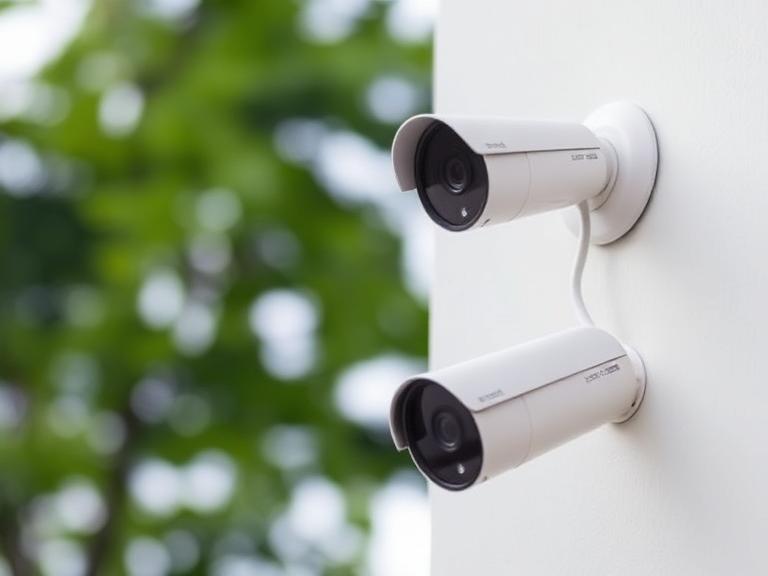
For deterrence purposes, visible cameras win hands down. A clearly visible camera tells potential intruders they’ll be recorded—and most don’t fancy starring in police evidence. Dome cameras at entry points and obvious outdoor cameras create powerful psychological barriers.
Hidden cameras serve a different purpose. They’re excellent for gathering evidence without alerting criminals who might cover their faces or avoid visible cameras. Many security experts recommend a combination: visible cameras for deterrence and discreet ones for backup documentation.
Smart Cameras and Remote Monitoring Benefits
Smart cameras have revolutionised home security. Features like:
- Motion-activated recording that saves storage and battery
- Two-way audio letting you speak to visitors or warn off intruders
- Night vision for clear footage in darkness
- AI-powered alerts that distinguish between people, vehicles, and animals
These capabilities mean you’re not just recording—you’re actively monitoring your property in real-time, regardless of your location.
What Is the Best Security System to Prevent Break-Ins?
There’s no one-size-fits-all answer, but certain components prove consistently effective.
Alarm Systems: Wired vs Wireless Options
Wired systems offer reliability—no batteries to replace, no signal interference. They’re ideal for new builds or major renovations where running cables is practical. Wireless systems provide flexibility and easier installation, perfect for renters or those wanting to avoid drilling through walls.
Both types can be equally effective. The key lies in professional installation and regular maintenance rather than the connection method itself.
Motion Sensors and Glass Break Detectors
Motion sensors catch intruders who’ve bypassed entry points. Modern versions use infrared or microwave technology to detect movement while ignoring pets—a common concern for Australian households with furry family members.
Glass break detectors respond to the specific sound frequency of shattering glass. These add another layer of protection, triggering alarms even if an intruder avoids doors and windows with contact sensors.
Smart Locks and Access Control Systems
Smart locks eliminate the risk of lost keys falling into wrong hands. You can grant temporary access codes to tradespeople, monitor who enters and when, and lock up remotely if you’ve forgotten. For businesses, access control systems track employee movements and restrict sensitive areas.
How Effective Are Home Security Systems in Reducing Crime?
Let’s look at what the evidence actually tells us.
Statistics and Research on Security System Effectiveness
Research consistently demonstrates security systems’ value. Properties without security measures are significantly more likely to be targeted. The Australian Institute of Criminology notes that alarm systems rank among the most effective deterrents available to homeowners.
One compelling finding: even basic alarm systems reduce the likelihood of a break-in by a substantial margin. When combined with cameras and monitoring services, the protection increases further.
Case Studies: Australian Homes and Businesses
Across Australia, businesses and homeowners report positive outcomes after installing security systems. Retailers notice reduced shoplifting when visible cameras are present. Homeowners in previously targeted areas experience fewer incidents after community-wide security improvements.
Are Security Systems Worth the Investment?
Cost vs Long-Term Savings
Consider what a break-in actually costs: stolen valuables, damaged property, replacement of locks and windows, time off work, and the emotional toll. Against this, monthly monitoring fees and equipment costs often represent excellent value.
Many systems now offer flexible payment options, making protection accessible regardless of budget.
Premium Insurance Reductions
Here’s a benefit many overlooks: insurers frequently offer discounts for properties with security systems. These reductions—sometimes up to 20%—can offset ongoing monitoring costs significantly.
Common Mistakes That Compromise Your Security
Poor Placement of Cameras and Sensors
A camera pointing at the sky won’t catch anyone. Position cameras at eye level near entry points. Place motion sensors in high-traffic areas intruders must pass through. Avoid blind spots and ensure cameras cover each other’s positions.
Neglecting Regular Maintenance and Updates
Dead batteries, outdated firmware, and dirty camera lenses all reduce effectiveness. Schedule regular checks—monthly battery tests and annual professional inspections keep your system performing optimally.
Choosing the Right Security System for Your Needs
Residential vs Commercial Requirements
Homes need protection focused on entry points and valuable storage areas. Businesses require broader coverage, often including staff safety features, cash handling areas, and after-hours monitoring.
Professional Installation vs DIY Options
DIY systems suit tech-savvy homeowners wanting basic protection. Professional installation ensures optimal placement, proper configuration, and integration with monitoring services—particularly valuable for larger properties or businesses.
Taking the Next Step Towards Better Protection
So, what have we learned? Security systems work on multiple levels—deterring criminals through visible presence, catching intrusions in real-time, and providing crucial evidence when needed. The statistics support their effectiveness, and the investment often pays for itself through prevented losses and insurance savings.
If you’re planning to upgrade your setup, exploring reliable security systems in Foster for residential and commercial properties can help you find solutions tailored to your specific needs and local environment.
The best system for you depends on your specific circumstances. Consider your property’s vulnerabilities, your budget, and how hands-on you want to be with monitoring. Whether you choose a simple camera setup or a comprehensive integrated system, taking action puts you ahead of those who leave their properties unprotected.
Ready to improve your security? Start by assessing your property’s weak points, research systems that fit your needs, and consider consulting a local security professional. Your peace of mind—and your property’s safety—is worth the effort.