How to Install an AquaMax Hot Water System Efficiently
Are you tired of cold showers ruining your morning routine? Wondering whether it’s time to upgrade your old, inefficient hot water system? Perhaps you’ve heard great things about AquaMax and want to know what’s involved in getting one installed in your home?
You’re in the right place. AquaMax hot water systems have earned a solid reputation across Australia for their reliability, energy efficiency, and long-lasting performance. Whether you’re building a new home or replacing an ageing unit, understanding the installation process can save you time, money, and plenty of headaches down the track.
In this guide, we’ll walk you through everything you need to know about installing an AquaMax hot water system. From choosing between gas and electric models to understanding Australian regulations and avoiding common mistakes, we’ve got you covered. By the end, you’ll feel confident about what to expect and whether you can tackle some steps yourself or need to call in the professionals.
Understanding AquaMax Hot Water Systems
Types of AquaMax Hot Water Systems Available in Australia
AquaMax offers a range of hot water solutions designed to suit different household needs and budgets. The most popular options include electric storage systems, gas storage units, and heat pump models. Electric systems are straightforward and work well in areas with off-peak electricity tariffs. Gas models heat water quickly and are generally more cost-effective to run.
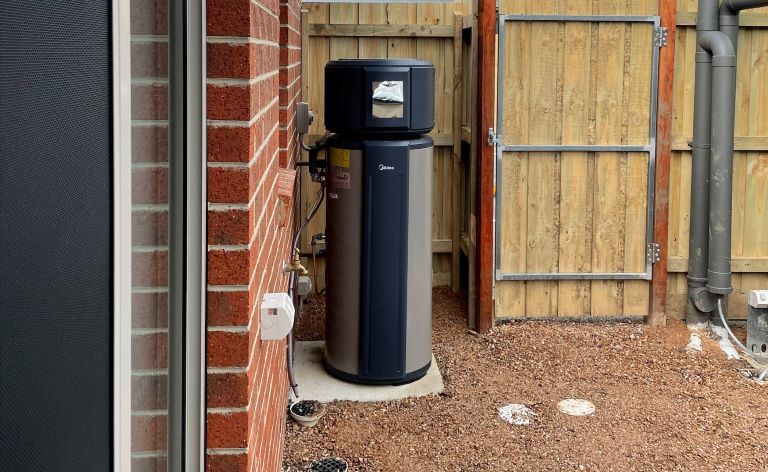
Heat pump systems are the eco-friendly choice, extracting heat from the surrounding air to warm your water. They’re particularly popular in warmer climates where they operate most efficiently. Each type comes in various capacities, so you can find the perfect fit whether you’re living solo or running a busy family household.
Gas vs Electric AquaMax Systems: Which Is Right for Your Home?
Choosing between gas and electric really comes down to your home’s setup and your priorities. Gas systems heat water faster and typically cost less to run, but you’ll need a gas connection. Electric systems are simpler to install and ideal if you don’t have natural gas available.
Consider your household’s hot water usage patterns too. If you have access to off-peak electricity rates, an electric storage system could be quite economical. On the other hand, continuous gas systems provide hot water on demand without running out—perfect for larger families.
How Long Does an AquaMax Hot Water System Last?
With proper maintenance, an AquaMax hot water system can last between 10 to 15 years. Gas systems generally have a slightly shorter lifespan than electric models, but both can serve you well with regular care. The key is keeping up with maintenance tasks like checking the anode rod and flushing the tank periodically.
Before You Begin: Essential Preparation Steps
Tools and Materials You’ll Need
Before diving into your installation, gather all the necessary equipment. You’ll typically need adjustable spanners, pipe wrenches, Teflon tape, a spirit level, and a drill. For electrical work, you’ll require appropriate cables, circuit breakers, and safety equipment. Gas installations need approved flexible connectors and gas fittings.
Make sure you also have safety gear on hand—gloves, safety glasses, and sturdy footwear are non-negotiable. Having everything ready before you start makes the whole process smoother and safer.
Checking Local Australian Plumbing Regulations
Here’s something crucial: Australian plumbing and gas regulations vary by state and territory. Before you begin any work, check with your local council about permit requirements. Some areas require inspections after installation, and failing to comply can result in fines or void your insurance.
The Plumbing Code of Australia sets national standards, but each state adds its own requirements. A quick call to your local authority can clarify exactly what’s needed in your area.
Do You Need a Licensed Plumber to Install a Hot Water System?
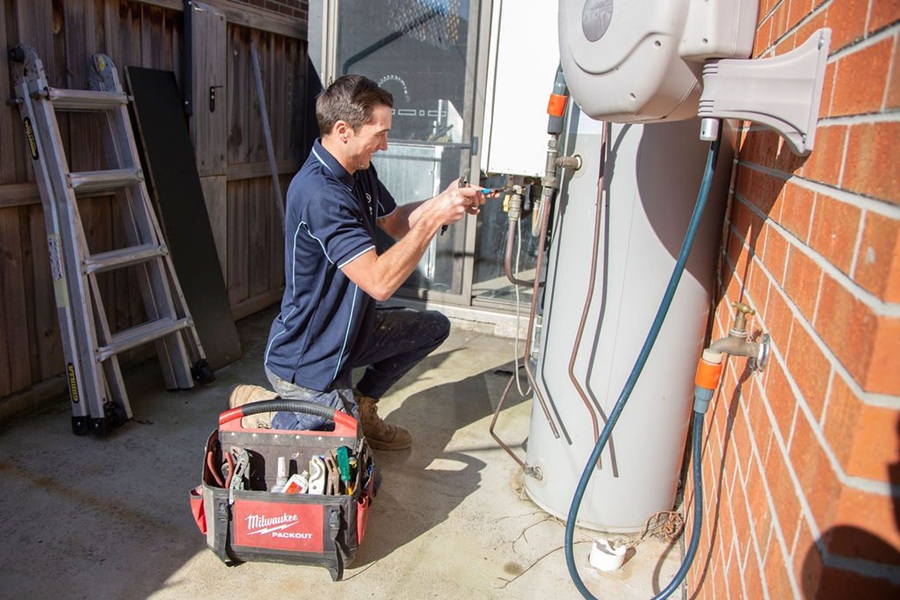
Short answer: yes, for most of the work. In Australia, licensed plumbers must complete plumbing connections, and licensed gas fitters must handle gas work. Electrical connections require a licensed electrician. DIY enthusiasts can handle some preparatory tasks, like removing the old unit and positioning the new one, but the actual connections must be done by qualified professionals.
This isn’t just red tape—it’s about safety and protecting your warranty. Incorrect installations can lead to leaks, gas hazards, or electrical fires. Plus, insurance companies may not cover damage from unlicensed work.
Step-by-Step AquaMax Hot Water System Installation Guide
Removing Your Old Hot Water Unit Safely
First things first: turn off the power and water supply to your existing system. For gas units, shut off the gas valve too. Allow the water to cool before draining—hot water can cause serious burns. Connect a hose to the drain valve and direct the water safely away from your house.
Once drained, disconnect the water pipes, power supply, and gas line if applicable. Old units are heavy, so get a mate to help you move it. Many councils offer hot water system recycling, so check your local options rather than sending it to landfill.
Positioning Your New AquaMax System
Your new AquaMax needs a solid, level base that can handle its weight when full. Outdoor installations require adequate ventilation and protection from the elements. Indoor gas systems need proper clearances and ventilation as specified in the manufacturer’s guidelines.
Use a spirit level to confirm the unit sits perfectly flat. This prevents stress on pipes and fittings. Leave enough space around the unit for future maintenance access—you’ll thank yourself later when servicing time comes around.
Connecting Water Supply Lines
This step requires a licensed plumber. The cold water inlet and hot water outlet must be connected using appropriate fittings. Pressure limiting valves and tempering valves are often required by Australian regulations to prevent scalding.
The plumber will apply Teflon tape to threaded connections and tighten everything securely without over-tightening, which can crack fittings. They’ll also install the pressure relief valve and run the overflow pipe to a safe discharge point.
Electrical or Gas Connection Requirements
For electric systems, a licensed electrician must connect the unit to your switchboard. This typically involves running a dedicated circuit with appropriate circuit breakers. Off-peak connections require specific metering arrangements with your electricity provider.
Gas systems need a licensed gas fitter to connect the supply line and check for leaks. They’ll verify the gas pressure is correct and that all connections meet Australian standards. Never attempt gas work yourself—it’s dangerous and illegal.
Testing for Leaks and Proper Operation
Once all connections are complete, it’s testing time. Turn on the water supply and check every joint for leaks. Fill the tank completely before switching on the power or gas—heating an empty tank can damage the element or heat exchanger.
Run the hot tap nearest to the unit and wait for consistent hot water flow. Check the pressure relief valve operates correctly by lifting the lever briefly. Your installer should provide a compliance certificate confirming the work meets all regulations.
How Much Does It Cost to Install an AquaMax Hot Water System?
Average Installation Costs Across Australia
Installation costs vary considerably depending on your location and the complexity of the job. On average, expect to pay between $300 and $700 for a straightforward replacement where existing connections are compatible. New installations requiring additional plumbing or electrical work can cost $1,000 to $2,000 or more.
Gas system installations typically cost more due to the additional compliance requirements. Heat pump systems also have higher installation costs but often qualify for government rebates that offset the expense.
Factors That Affect Installation Price
Several factors influence your final bill. The type of system you’re installing matters, as does whether you’re replacing like-for-like or changing fuel types. Distance from the installer’s base can add to labour costs, particularly in regional areas.
If your existing plumbing or electrical setup needs upgrading, costs rise accordingly. Difficult access—like narrow spaces or steep blocks—adds time and complexity. Always get multiple quotes and confirm what’s included before committing.
Common Installation Mistakes to Avoid
Rushing the preparation stage causes many problems. Not checking regulations, choosing the wrong size unit for your household, and failing to allow for proper ventilation are frequent errors. Another common mistake is not installing tempering valves where required, which creates scalding risks.
Poor positioning makes future maintenance difficult and can void warranties. Skimping on qualified tradespeople to save money often backfires when problems arise. Always prioritise safety and compliance over cutting corners.
How to Maintain Your AquaMax Hot Water System After Installation
Can You Service Your Own Hot Water System?
Some maintenance tasks are DIY-friendly. You can visually inspect for leaks, test the pressure relief valve periodically, and clear debris from around outdoor units. Checking the temperature setting and insulating exposed pipes are simple jobs that improve efficiency.
However, tasks like replacing the sacrificial anode rod, checking electrical components, or servicing gas burners require professional expertise. Schedule a professional service every few years to keep your system running optimally and catch small issues before they become expensive problems.
Troubleshooting: What to Do If Your AquaMax System Isn’t Working
No hot water? Start with the basics. Check the power supply or gas connection is on. Verify the thermostat setting hasn’t been accidentally adjusted. For electric systems, a tripped circuit breaker is often the culprit.
If water isn’t heating sufficiently, the thermostat may need adjustment, or the heating element could be failing. Strange noises often indicate sediment build-up requiring a tank flush. For persistent issues, contact AquaMax’s customer support or call a qualified technician.
Enjoying Reliable Hot Water for Years to Come
Installing an AquaMax hot water system is a worthwhile investment in your home’s comfort and efficiency. We’ve covered the different system types available, preparation requirements, and the installation process from start to finish. You now understand the costs involved and the common pitfalls to avoid.
The key takeaway? While you can handle some preparation tasks yourself, always engage licensed professionals for plumbing, gas, and electrical work. This protects your safety, ensures compliance with Australian regulations, and keeps your warranty intact. It might cost more upfront, but it prevents far bigger expenses down the track.
With proper installation and regular maintenance, your AquaMax system will provide reliable hot water for many years. So go ahead—enjoy those long, hot showers knowing you’ve made a smart choice for your home and family.