Stylish Shop Fitouts Designed for Better Branding and Customer Engagement
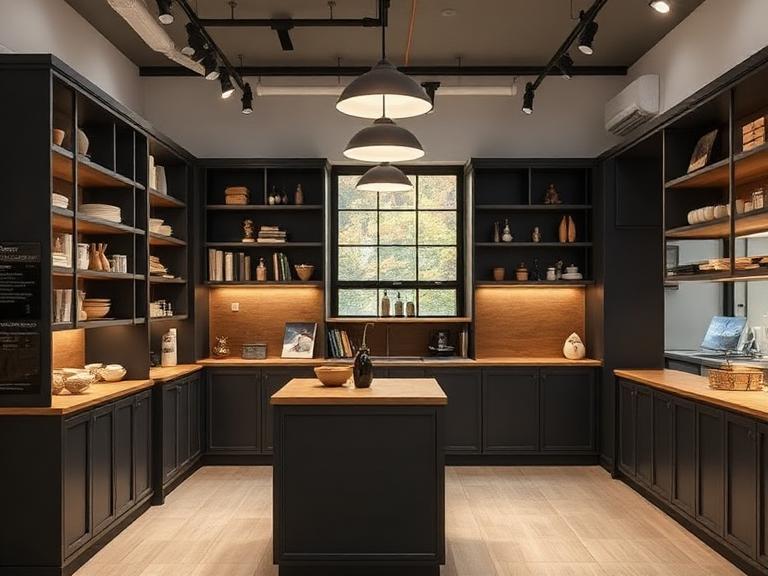
Have you ever walked into a shop and instantly felt at home? Or perhaps you’ve stepped into a store and felt compelled to leave within seconds? What makes some retail spaces magnetic while others fall flat? The answer lies in thoughtful shop fitout design.
Your shop fitout is working around the clock, even when you’re not there. It’s your silent salesperson, greeting customers, guiding their journey, and communicating your brand values without saying a word. In Australia’s competitive retail landscape, getting your store design right isn’t just nice to have—it’s essential for survival.
In this guide, we’ll explore everything you need to know about creating a stylish shop fitout that strengthens your brand and keeps customers engaged. From understanding the psychology behind retail layouts to budgeting tips and current trends, you’ll walk away with practical insights to transform your retail space. Let’s get stuck into it.
What Is a Shop Fitout and Why Does It Matter for Your Brand?
Defining Modern Shop Fitouts
A shop fitout encompasses everything that transforms an empty shell into a functioning retail space. This includes flooring, lighting, fixtures, signage, and all the design elements that create your store’s atmosphere. Modern fitouts go beyond basic functionality—they’re strategic tools designed to influence how customers perceive and interact with your brand.
Think of your fitout as the physical embodiment of your brand story. Every material choice, colour selection, and spatial decision sends a message to anyone who walks through your doors.
The Connection Between Store Design and Brand Identity
Your store design should reflect your brand personality at every touchpoint. A luxury boutique requires a vastly different approach than a budget-friendly homeware store. When your fitout aligns perfectly with your brand identity, customers immediately understand who you are and what you stand for.
This alignment builds trust. Customers feel more confident purchasing from businesses where the physical environment matches their expectations. It’s about creating consistency between your online presence, marketing materials, and in-store experience.
How Does Shop Design Influence Customer Behaviour?
The Psychology Behind Retail Layouts
Retail design is deeply rooted in psychology. The way you arrange your space directly impacts how long customers stay and how much they spend. Strategic product placement, clear pathways, and intentional focal points guide shoppers through a carefully choreographed journey.
Research shows that customers typically turn right when entering a store. Savvy retailers place high-margin items or new arrivals in this prime real estate. Meanwhile, essential products often sit at the back, encouraging customers to explore the entire space.
Creating an Emotional Connection Through Design
Beyond practical considerations, great shop design taps into emotions. Warm lighting might evoke comfort and relaxation, while bold colours can generate excitement and energy. The goal is making customers feel something positive when they’re in your space.
Music, scent, and texture all play supporting roles in this emotional symphony. When these elements work together harmoniously, customers develop genuine affection for your brand.
First Impressions: You Only Get Seven Seconds
Studies suggest customers form initial impressions within seven seconds of entering your store. That’s barely enough time to take a breath, yet it’s enough time for shoppers to decide whether they want to stay or leave.
Your entrance zone sets the tone for everything that follows. Clean sightlines, welcoming displays, and appropriate lighting in this “decompression zone” give customers the positive first impression they need to continue exploring.
Key Elements of a Stylish Shop Fitout
Strategic Lighting That Sets the Mood
Lighting does more than illuminate products—it creates atmosphere and directs attention. Layered lighting approaches combine ambient, task, and accent lighting to highlight merchandise while maintaining comfortable overall illumination.
Natural light remains highly desirable when available. It reduces energy costs and makes products appear more authentic. Where natural light isn’t possible, LED solutions offer flexibility and efficiency.
Colour Schemes That Reflect Your Brand Personality
Colour psychology influences purchasing decisions more than most retailers realise. Blues convey trust and professionalism, while oranges and reds create urgency. Your colour palette should align with your brand values and the emotional response you want to trigger.
Consistency matters here. Your in-store colours should complement your logo, packaging, and marketing materials for a cohesive brand experience.
Signage and Visual Merchandising
Effective signage guides customers effortlessly through your space. Clear wayfinding reduces frustration, while promotional displays draw attention to key products or offers. The best visual merchandising tells a story, grouping complementary items together in aspirational displays.
Keep signage clean and easy to read. Cluttered or confusing signage creates cognitive overload, pushing customers toward the exit rather than the checkout.
Flooring and Materials That Make a Statement
Flooring influences both aesthetics and acoustics. Polished concrete might suit an industrial-chic brand, while warm timber floors create a homely atmosphere. Whatever you choose, durability matters—retail flooring takes serious punishment.
Material choices throughout your fitout communicate quality levels. Premium materials suggest premium products, while sustainable choices appeal to environmentally conscious consumers.
Furniture and Fixture Selection
Your fixtures should showcase products beautifully while remaining functional for staff. Adjustable shelving, modular display units, and mobile fixtures offer flexibility as your product range evolves.
Comfort matters too. If customers might linger—trying on clothes or testing products—comfortable seating areas encourage longer dwell times and increased spending.
What Are the Latest Trends in Retail Fitouts in Australia?
Sustainable and Eco-Friendly Design Choices
Australian consumers increasingly favour brands demonstrating environmental responsibility. Recycled materials, energy-efficient lighting, and sustainable timber are becoming standard expectations rather than premium extras.
Beyond materials, consider your fitout’s entire lifecycle. Can fixtures be repurposed or recycled when you eventually refresh your space?
Integrating Technology Into the Shopping Experience
Digital integration is transforming retail environments. Interactive screens, augmented reality mirrors, and seamless payment systems create memorable experiences that pure e-commerce cannot replicate.
Plus, technology enables personalisation at scale. Customer data can trigger tailored recommendations and offers, making each visit feel unique.
Flexible and Modular Layouts
Retail moves fast, and static store layouts struggle to keep pace. Modular fitout systems allow quick reconfigurations for seasonal changes, product launches, or promotional events without major expense.
This flexibility also supports testing. Try different layouts and measure their impact on customer behaviour before committing to permanent changes.
How Much Does a Shop Fitout Cost in Australia?
Factors That Influence Fitout Pricing
Australian shop fitout costs vary dramatically based on size, complexity, materials, and location. Basic fitouts might start around $1,000 per square metre, while high-end retail spaces can exceed $5,000 per square metre.
Labour costs, council requirements, and existing infrastructure all influence final pricing. Heritage buildings or spaces requiring significant structural work typically cost considerably more.
Budgeting Tips for Small Business Owners
Start with clear priorities. Identify the elements that most impact customer experience and allocate budget accordingly. Sometimes strategic investment in lighting and key displays delivers better returns than spreading budget thinly across everything.
Get multiple quotes and check references thoroughly. The cheapest option rarely delivers the best value—poor workmanship creates ongoing headaches and costs.
How Do You Choose the Right Fitout Company?
Questions to Ask Before Hiring
Ask about their experience with similar retail environments. Request detailed breakdowns of costs and timelines. Clarify who manages council approvals and what happens if problems arise during construction.
Communication style matters too. You’ll work closely with this team for weeks or months—make sure you’re comfortable with their approach.
What to Look for in a Portfolio
Look for diversity and quality in completed projects. Can they demonstrate flexibility across different brand styles? Do their finished spaces look as good in reality as they do in renders?
Client testimonials provide valuable insights into the working relationship and post-completion support.
Common Shop Fitout Mistakes That Hurt Customer Engagement
Overcrowding and Poor Traffic Flow
Cramming too many products into limited space overwhelms customers and creates uncomfortable bottlenecks. Clear pathways and breathing room between displays encourage exploration rather than hasty exits.
Ignoring Your Target Audience
Designing for your own taste rather than your customers’ preferences is a costly mistake. Research your target demographic thoroughly and design spaces that resonate with their values and expectations.
Measuring the Success of Your Shop Fitout
Customer Feedback and Dwell Time
Track how long customers spend in different areas. Longer dwell times typically correlate with higher spending. Customer feedback—both formal surveys and casual comments—provides qualitative insights into what’s working.
Tracking Sales and Conversion Rates
Ultimately, your fitout should improve business performance. Monitor conversion rates, average transaction values, and overall sales before and after changes. This data justifies your investment and guides future refinements.
Investing in Design That Drives Results
Your shop fitout represents one of your most significant business investments—and for businesses planning shop fitouts in Sydney, it can become one of the most powerful marketing tools for attracting and retaining customers. When designed thoughtfully, it strengthens brand identity, creates emotional connections, and guides customers toward purchasing decisions.
The key takeaway? Don’t treat your fitout as simply functional infrastructure. Approach it strategically, considering how every element contributes to customer experience and brand perception. Work with experienced professionals who understand your vision and can translate it into physical reality.
Whether you’re planning a complete renovation or refreshing tired elements, the principles remain consistent. Prioritise your customers’ needs, stay true to your brand identity, and create spaces where people genuinely want to spend time. Your shop fitout is your silent salesperson—make sure it’s saying all the right things.