The Ultimate Guide to Choosing Shop Signage That’s A Cut Above the Rest
Have you ever walked past a shop and been completely drawn in by its signage? What made you stop and look? Was it the colours, the clever design, or perhaps the way it caught the light just right? If you’re a business owner in Melbourne, these questions aren’t just idle curiosity—they’re absolutely vital to your success.
Your shop signage is often the very first interaction potential customers have with your brand. It’s working for you around the clock, seven days a week, whether you’re open or closed. Think of it as your silent salesperson, making an impression on every single person who walks or drives past your premises. Getting it right can mean the difference between a thriving business and one that struggles to get noticed.
In this guide, we’ll walk you through everything you need to know about shop signage in Melbourne. From understanding the different types available to navigating council regulations, budgeting smartly, and avoiding common mistakes—we’ve got you covered. By the end, you’ll have all the knowledge you need to make an informed decision that helps your business stand out from the crowd.
What Makes Great Shop Signage? The Fundamentals
First Impressions and Brand Recognition
Let’s be honest—you never get a second chance at a first impression. Your signage speaks volumes about your business before a customer even steps through the door. A well-designed sign communicates professionalism, quality, and attention to detail. On the flip side, a shabby or outdated sign can suggest the opposite, regardless of how excellent your products or services actually are.
Brand recognition is another massive benefit of great signage. Consistent use of your logo, colours, and fonts across all your signage helps build familiarity. When people see your brand repeatedly, it sticks in their memory. Next time they need what you offer, guess who they’ll think of first?
Visibility, Readability, and Location Considerations
Your sign might be beautifully designed, but if people can’t see it or read it, what’s the point? Visibility depends on several factors: size, placement, lighting, and contrast. Consider the speed of passing traffic and the distance from which people will view your sign.
Readability is just as important. Fancy fonts might look gorgeous up close, but they can become illegible from a distance. Keep your message clear and concise. Most experts recommend limiting text to seven words or fewer for maximum impact.
Location matters too. Is your shopfront on a busy street or tucked away in a laneway? Are there trees or other obstacles blocking the view? These factors will influence the type, size, and positioning of your signage.
Types of Shop Signage Available
Illuminated Signs and LED Displays are perfect for businesses that operate after dark. They ensure your brand remains visible around the clock and can dramatically increase your street presence. LED technology is energy-efficient and long-lasting, making it a smart investment.
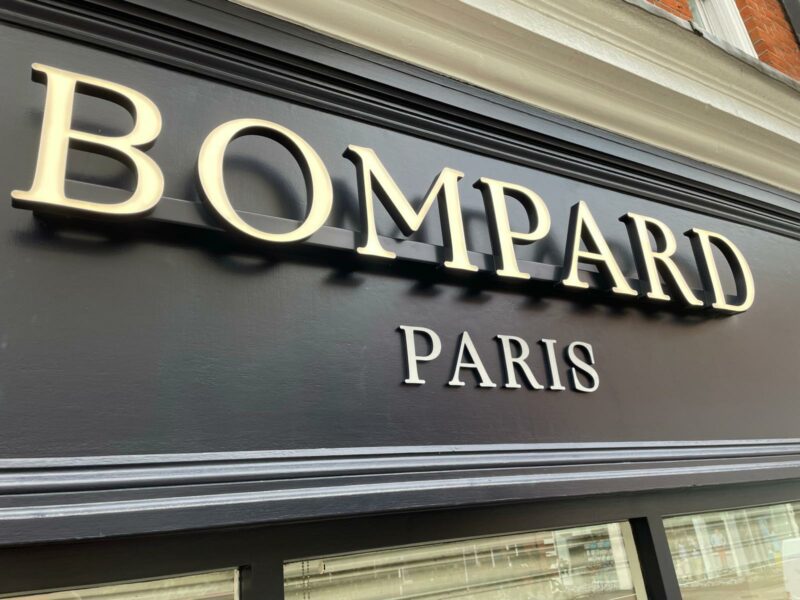
3D Lettering and Dimensional Signage adds depth and sophistication to your shopfront. These signs create shadows and visual interest that flat signage simply can’t match. They’re particularly effective for premium brands wanting to make a statement.
Window Graphics and Vinyl Decals offer fantastic versatility. They can display your opening hours, promotions, or simply reinforce your branding. Plus, they’re relatively affordable and easy to update when needed.
A-Frame and Pavement Signs are brilliant for attracting foot traffic. They’re portable, cost-effective, and perfect for daily specials or directing people to your entrance.
Digital and Electronic Signage provides ultimate flexibility, allowing you to change messages instantly and display dynamic content that captures attention.
How Much Does Shop Signage Cost?
Factors That Influence Signage Pricing
Signage costs vary wildly depending on several factors. Size is the obvious one—bigger signs require more materials and labour. The type of signage matters too; a simple vinyl banner will cost far less than an illuminated 3D sign.
Materials play a huge role in pricing. Premium materials like stainless steel or brass cost more than acrylic or aluminium. Installation complexity also affects the final bill. A sign requiring scaffolding or electrical work will naturally be more expensive.
Budget-Friendly Options Without Compromising Quality
Working with a tight budget? Don’t worry—there are still excellent options available. Vinyl graphics and A-frame signs offer great value for money. You might also consider starting with essential signage and adding more elaborate options as your business grows.
Understanding Quotes: What to Look For
When comparing quotes, make sure you’re comparing like for like. Check what’s included—design, materials, installation, permits? Ask about warranties and what happens if something goes wrong. The cheapest quote isn’t always the best value in the long run.
What Are the Council Regulations for Shop Signs?
Permit Requirements and Application Process
Here’s something many business owners don’t realise: you’ll likely need council approval for your signage. The application process typically involves submitting plans and paying a fee.
Size, Placement, and Safety Restrictions
Councils impose restrictions to maintain streetscape aesthetics and public safety. Signs mustn’t obstruct pedestrian movement or create hazards. Height limits and projection distances are carefully regulated.
Heritage Overlay and Special Zoning Considerations
If your business is in a heritage area, expect stricter controls. Heritage overlays often dictate acceptable colours, materials, and sign styles. Ignoring these requirements can result in costly removal orders and fines.
How Do I Choose the Right Sign Company?
Questions to Ask Before Hiring a Signage Provider
Finding the right partner is critical. Ask about their experience with businesses similar to yours. Do they handle permits? What’s their turnaround time? Can they provide references?
Red Flags to Watch Out For
Be wary of companies that pressure you into quick decisions or seem vague about pricing. Poor communication during the quote stage often signals problems down the track. Check if they have proper insurance and licences.
Portfolio Reviews and Customer Testimonials
Always review their previous work. A reputable company will proudly display their portfolio. Online reviews and testimonials give insight into customer experiences. Don’t hesitate to ask for references you can actually contact.
Designing Signage That Attracts Customers
Colour Psychology and Brand Consistency
Colours evoke emotions and associations. Red creates urgency, blue builds trust, green suggests nature and health. Choose colours that align with your brand values and stand out against your surroundings.
Font Selection and Readability at Distance
Stick to clean, simple fonts for maximum readability. Sans-serif fonts generally work better for signage. Test your design from various distances before committing.
Incorporating Your Logo Effectively
Your logo is your brand’s face—make sure it’s prominent but not overwhelming. Ensure it reproduces well at whatever size your sign requires. Sometimes simplifying a complex logo for signage works better.
How Long Does Shop Signage Last?
Material Durability and Weather Resistance
Quality signage should last between five and ten years, depending on materials and conditions. Melbourne’s weather—hot summers, wet winters, and everything in between—takes its toll. Aluminium, stainless steel, and high-grade acrylics tend to weather best.
Maintenance Tips to Extend Signage Lifespan
Regular cleaning prevents grime build-up that can damage surfaces. Check electrical components on illuminated signs periodically. Address minor damage promptly before it becomes major.
Custom Shop Signage vs. Template Designs: Which Is Better?
Custom signage costs more but delivers a unique look that’s entirely yours. Template designs are quicker and cheaper but risk looking generic. For most established businesses, custom signage is worth the investment. However, new businesses testing the market might start with templates while finding their feet.
What Is the Best Material for Outdoor Shop Signs?
Acrylic works brilliantly for illuminated signs. For a premium look, stainless steel or weatherproof timber can’t be beaten, though they come at a higher price point.
Common Shop Signage Mistakes Businesses Make
The most frequent mistake? Trying to cram too much information onto one sign. Keep it simple. Another common error is ignoring council regulations, leading to expensive modifications later. Poor quality materials might save money upfront but cost more in replacements. Finally, many businesses neglect maintenance, letting their signs become tired and ineffective.
Conclusion: Investing in Signage That Grows Your Business
Choosing the right shop signage is about far more than just putting your name above the door. It’s a strategic investment that impacts how customers perceive your brand, find your location, and remember your business.
We’ve covered considerable ground today—from understanding what makes signage effective to exploring your options, navigating regulations, and avoiding costly mistakes. The key takeaway? Don’t rush this decision. Take time to research your options, choose reputable suppliers, and invest in quality that will serve your business for years to come.
Your signage is working for you every single moment, day and night. Make sure it’s telling the right story about your business. With the right approach, your shop signage won’t just be adequate—it’ll be genuinely a cut above the rest.